

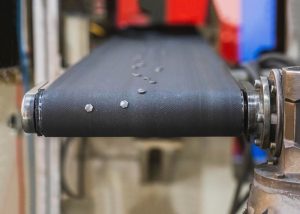
Keeping enclosed belt conveyors operating smoothly comes down to a few key things, and one of those is proper belt tension. When tension is off, even just a little, it can increase wear and tear across the whole system. It disrupts material flow, adds strain to components, and can cause unplanned downtime. That’s never a good thing, especially during busy seasons like late summer in Springfield, Ohio.
If you’re running conveyors in a grain operation, manufacturing facility, or feed handling setup, you’ve probably seen belt slippage or lagging issues at some point. More often than not, these problems come from poor tension control. The good news is that many of these issues can be fixed quickly with a few adjustments and visual checks. This article walks through common symptoms of belt tension problems and gives quick solutions so they don’t get worse over time.
Understanding Common Belt Tension Problems
When belt tension is off, signs usually show up pretty quickly. The belt might start slipping when the system is under load, or it might drift to one side. You could notice the belt slows down or even stops altogether when it shouldn’t. Sometimes, the system will make odd sounds like squeaking or grinding because parts are rubbing where they shouldn’t be.
A few common signs of improper belt tension include:
– Slipping belt during startup or at full load
– Uneven wear on the belt edges
– Material falling off or not moving correctly
– Motor running hot or under strain
– Noticeable sag or looseness in the belt
There are several reasons why these things happen. One big one is overloading the system—trying to move too much material too quickly, or using equipment that’s not quite right for the job. Misalignment is another issue, where one side of the belt carries more of the load and gets pulled tighter than the other side. Then there’s just routine wear. Over time, components shift slightly or wear down, and those little changes can sneak up on the system.
Take a system in Springfield, for example. Everything might have worked fine in spring, but when August rolls around and operations ramp up, you start noticing the belt slipping. Higher humidity, extra dust, longer run times—these seasonal changes hit equipment hard. If tension isn’t addressed quickly, it can lead to big problems like torn belts, bent frames, or burned-out motors. Staying alert helps avoid major repairs.
Quick Fixes for Immediate Improvement
Enclosed belt conveyors are designed for durability, but even the toughest systems need adjustments. With tension problems, a few simple fixes can help get everything back on track fast.
1. Adjusting Tensioners
Take a look at your tensioning components, like screw tensioners or take-up units. If there’s sag in the belt, it might just need a couple turns to firm it up. Make sure you adjust both sides evenly. Uneven tension adds wear and throws off belt tracking. At the same time, don’t over-tighten, since that can create a different set of problems.
2. Aligning the Belt
If you notice the belt tracking to one side, check your alignment. Misaligned return rollers or loading chutes may need small adjustments. Even minor issues can cause noticeable problems in tracking. Use a straight edge or other alignment guide if needed to verify square tracking.
3. Clearing Blockages
Clogs from buildup aren’t uncommon in enclosed systems. Dust and product can collect in corners or near return pulleys. These blockages throw off how the belt moves and where tension settles. Shut down the system and check for any material build-up, especially in harder-to-see spots.
4. Inspecting and Replacing Worn Parts
Take a quick look at pulleys, rollers, and bearings. A single bad roller can cause pressure points that affect belt tension and tracking. If something looks or feels worn, replacing one or two parts might restore balance without a major fix. Keep spares on hand during peak seasons for faster swaps.
Spending a few extra minutes on these checks, especially during shift changes or before high-output days, can save long hours later. Logging issues or tagging certain points on the conveyor helps different team members catch trouble early, even if they’re not the ones doing the hands-on work daily. It also helps keep output up and downtime down during critical times like harvest season in Springfield.
Maintenance Tips to Prevent Future Issues
Catching tension problems early is great, but preventing them from happening in the first place is even better. A good maintenance routine makes a big difference and keeps equipment in better shape for the long run. Hot summer weather, humidity, and long hours all take a toll. This is when a strong maintenance plan matters most.
Here’s a solid checklist to keep your belt conveyor systems in better shape:
– Inspect belt condition weekly for signs of sag or sideways drift
– Check and adjust tensioners every month, especially in the summer
– Clear out dust and buildup from inside enclosures and around pulleys
– Lubricate all moving parts to reduce friction and prevent squeaks
– Swap out rollers or pulleys when there’s any sign of wear
– Make sure return rollers are turning freely with proper belt contact
– Verify that input zones are flowing evenly and not creating stress
– Train all operators on what to look for and how to report issues
Making inspections routine helps spot problems before they cost you output. Depending on how often your system runs, tasks like tension checks and pulley inspections should be done weekly or every other week. Spreading out smaller tasks over time makes things easier and prevents big emergencies.
Involve the team, too. Assign certain parts of the routine to different crew members so nothing gets overlooked. One example from Springfield showed solid results just from adding routine cleaning of return pulleys during the summer peak. That job alone led to fewer tension adjustments and steadier system performance, even on long, hot days.
Local Considerations for Springfield, Ohio Operators
Operators around Springfield know how different the summer season can feel on their equipment. Central Ohio has warm, humid summers, and that puts real strain on enclosed belt conveyors. Systems run hotter, and temperature swings between morning and afternoon can lead to unexpected behavior in belt tracks and tightness.
Humidity also plays a role. Warmer air and sudden weather changes cause belts to expand and contract slightly. That might not sound like much, but in a running system, it can lead to minor misalignments that build up. More dust in the air during harvest also creates more opportunity for material to collect in the system.
A few local-specific tips to help manage these conditions include:
– Check belt tension after the system has been running at peak temperatures
– Make prompt adjustments when you spot sag or notice a slowdown
– Keep drives and motors tuned to adapt to heavier use or load shifts
– Listen closely for unfamiliar sounds during operation cycles
– Plan to replace more parts in August when wear usually increases
Small, frequent checks are better than waiting for big problems. Just two or three focused walk-throughs per week can make a big difference. With things heating up during mid-day runs and machines pushing harder than usual, slipping belts or off-track rollers are easier to miss. Adding time now means avoiding downtime when schedules are tight and product flow matters most.
Keeping Your Conveyor Systems Running Smoothly
Tension issues with enclosed belt conveyors don’t always give a loud warning. More often, they build up over time from normal use. A slightly bent adjustment bolt or one worn return roller can shift everything just enough to start a chain of problems. That’s why regularly catching small signs like sagging belts or slow pull speeds is so important.
Most problems don’t require a full system overhaul. Simple checks like confirming roller movement, cleaning out buildup, or tightening a belt a few notches can save the day. Making these tasks part of your maintenance flow keeps everything on track, especially during the busiest parts of the year.
Expecting belt tension to change with the seasons is also just smart planning. Summer operations in Springfield push systems harder, so adjusting your schedule for more frequent checks makes sense. Whether you’re moving grain, processing feed, or handling materials in manufacturing, keeping an eye on belt health goes a long way toward reliable performance.
Stay consistent, check the details, and don’t wait for a breakdown. These steps help make sure your conveyor systems keep running when you need them the most.
As you work to maintain the efficiency of your conveyor systems, consider the benefits of choosing the right equipment. At Sweet Manufacturing Company, we understand the challenges you face, and we offer solutions that fit your needs. To explore reliable options from belt conveyor manufacturers, connect with us for more information. Let us help you keep your operations running like a well-oiled machine.