


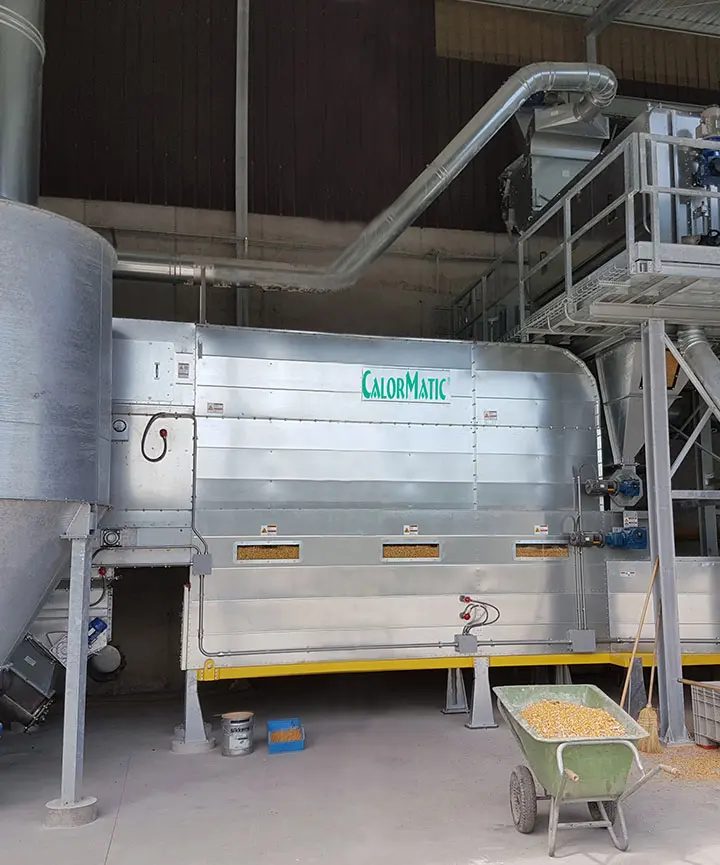
The CalorMatic Heat Processor plays a key role in keeping material handling operations running efficiently. Whether it’s drying grain, conditioning feed, or preparing other materials for use, this piece of equipment needs to run smoothly every day. But like any hardworking machine, it can wear down over time if it doesn’t get the attention it needs.
Ignoring those early signs of trouble might seem tempting, especially during busy seasons, but it can lead to bigger failures down the road. A processor that isn’t working right can slow your whole system down, reduce the quality of your output, and cost more to run than it should. This article focuses on the signs that your CalorMatic Heat Processor may be overdue for professional servicing. Taking care of issues early can keep your whole operation in better shape.
Common Signs Of Wear And Tear
Equipment doesn’t fall apart overnight. Problems usually start small and ramp up gradually. Spotting visual and performance-based wear early is one way to avoid unnecessary headaches later. When it comes to the CalorMatic Heat Processor, a few key red flags are easy to see once you know what to watch for.
One of the most obvious indicators is surface damage. If you notice cracks in the housing, rust forming on pipes or support brackets, or residue building up around seals and joints, it could be time to step in with professional servicing. These problems rarely go away and often grow worse the longer they’re ignored.
Be aware of changes in sound or feeling during operation too. Grinding, chattering, or inconsistent noises might mean that internal parts are worn or out of alignment. Unexplained vibrations could be a sign that components are loose or that the system is under unnecessary stress. Any of these signs point to deeper problems that need a professional assessment.
Also, pay attention to how your processor is heating. If results are inconsistent or heating takes more time than usual, there might be a part failure or a clogged system. These small performance hiccups are often early warnings of potential damage hiding inside.
Operational Inefficiencies To Watch For
Not all problems are visible. Many reveal themselves through slowdowns, production delays, or higher energy usage. These signs can signal that your CalorMatic unit needs servicing.
Some issues to take note of include:
– Inconsistent heating, where some batches run too hot while others are underprocessed
– Uneven heat zones inside the chamber
– Longer-than-usual completion times on standard heating tasks
– Rising energy consumption with no change in output quality or quantity
– Production delays caused by rebooting or adjusting settings frequently mid-process
Often, these symptoms don’t show all at once. They creep in, batch by batch. Someone in Springfield using their processor during late summer, for instance, might chalk up longer dry times to heat or humidity. But it could be that the processor’s components are wearing down and internal efficiency is slipping.
While these issues might not stop your operation immediately, they still cost time and energy. Tackling them with help from trained professionals prevents bigger repair needs from developing and keeps the system reliable.
Regular Maintenance Tips
Consistent maintenance is the simplest way to reduce breakdowns and keep your CalorMatic Heat Processor in high-performing condition. Just like with tractors or storage bins, a proactive approach to service can save time and prevent frustration.
The first tip is to create a repeatable inspection schedule. Even if the unit seems fine, having a technician inspect it every few months gives you the chance to address wear before it spreads. Regular checks should look at safety shutoffs, fuel and air delivery, heating element health, and overall structural wear. Simple items like a blocked filter or weakened seal can eventually grow into a large issue if missed repeatedly.
Next, use a service log. This can be as low-tech as a notebook or as advanced as a digital spreadsheet, so long as it records the date of inspections, what was evaluated, what parts were changed, and by whom. That history is helpful when troubleshooting a future issue or confirming whether a part replacement is still under timeline.
If your model has any kind of digital interface or programmable controller, make sure software or firmware is up to date. Ask your technician about checking version updates with each service inspection. These updates might unlock better performance or protect against problems that were found in earlier software generations.
Adapting to Seasonal Shifts in Springfield, Ohio
As the seasons shift, so does the demand on heating equipment. In Springfield, the summer months can bring high humidity and extreme temperatures. These environmental factors not only affect stored goods but also impact how your CalorMatic Heat Processor performs on a daily basis.
During August, for example, your processor works against extra heat and moisture in the air. This can cause components to overheat or sensors to become less efficient. Make sure to adjust fans and ventilation so they match the seasonal workload. What worked in the cooler part of spring may not be enough during months of heavy output.
Look for clogs in ducts or vent lines, and monitor airflow closely. These clogs might seem harmless at first, but even partial blockage inside the chamber can throw off your heating consistency and kick up energy use.
Another thing to keep in mind is material moisture. Whether you’re drying grain right from the field or preparing feed in high humidity, wetter material takes more energy and time to process. That puts extra demand on your heat processor’s burners, controls, and flow patterns. Getting ahead with servicing before these conditions hit helps you avoid emergency downtime later.
Since Springfield weather can vary day-to-day during the late summer, make sure your controls remain flexible. Being able to dial in small changes based on output needs allows your system to run efficiently. If adjustments aren’t helping, call a technician to identify any deeper issues.
Keep Your Processor Running Its Best
When operations depend on consistent output, keeping the CalorMatic Heat Processor in strong working condition matters. Repairs don’t always start with a full system failure. More often, they begin with signs that are small and easy to dismiss.
Be mindful of the little things like new sounds, longer run times, and inconsistent heating performance. Trust your instincts. If something doesn’t feel right, it might be a sign that servicing is needed.
Working with seasoned professionals for scheduled maintenance gives you peace of mind and helps avoid the risk of expensive repairs later. Staying ahead of trouble helps your entire operation stay on track, especially when demand peaks.
Keeping your CalorMatic Heat Processor performing efficiently isn’t a one-time task. It’s an ongoing effort. And when your heating processor works smoothly, everything downstream runs better too.
Keeping your CalorMatic Heat Processor in top shape is smart not only for its longevity but for your entire operation. When you notice any signs of wear or inefficiencies, it’s time to act. Explore how Sweet Manufacturing Company supports your operation with dependable material handling equipment designed to keep everything running smoothly, even during peak times.