


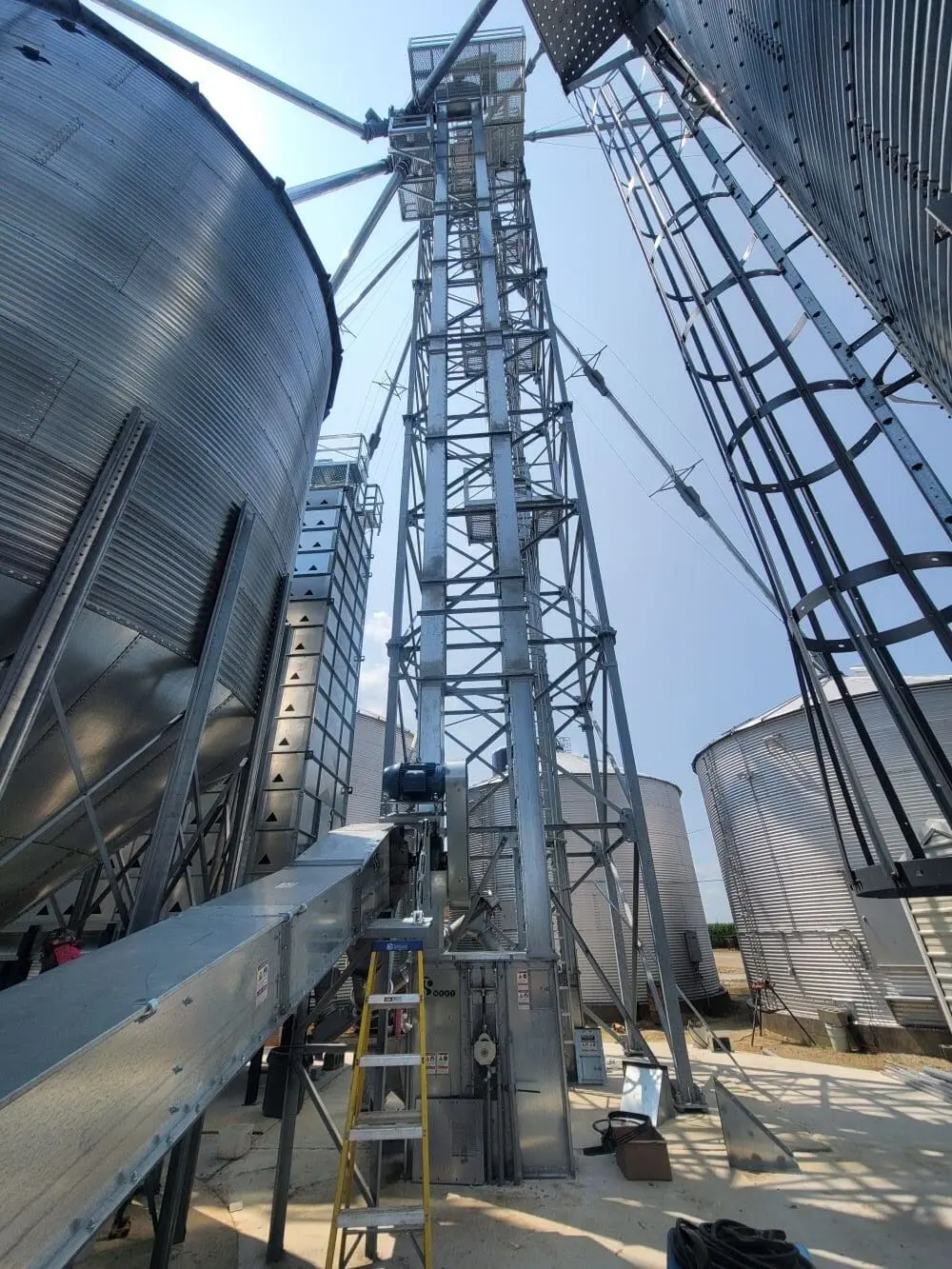
By December, most operations in Springfield, Ohio, are running full speed to meet end-of-year demands. Facilities depend heavily on equipment like Silver-Sweet Bucket Elevator Systems to keep material handling smooth and timely. When these systems go down, the ripple effect can delay deliveries, sideline production, and force a team into costly round-the-clock fixes. That’s the kind of slowdown no one wants during the busiest time of year.
It’s a cold Thursday evening, and your crew is halfway through loading a critical shipment when the elevator belt slips off track. The buckets jam, the motor hums with resistance, and your entire line comes to a halt. With no clear fix in sight, jobs stack up and morale dips. That’s when emergency repairs become more than just a convenience. They save time, lessen expenses, and stop one delay from throwing off your full operation.
Common Issues With Silver-Sweet Bucket Elevators
Even durable equipment can run into issues when working overtime. Silver-Sweet Bucket Elevators are critical in moving grain, feed, and bulk materials across different areas of a facility. But like any mechanical system, they’re susceptible to stress, damage, or small malfunctions—especially during peak use.
Here are a few common problems facilities might face:
1. Bucket Dislodgement
Buckets can snap off or become loose when struck by an overload or debris. This causes immediate clogs that bring the elevator to a standstill.
2. Belt Misalignment
A belt that shifts from its correct path can begin rubbing against the casing or jamming at corners. Continuing to run the system this way can lead to major motor or belt failure.
3. Motor Failures
Motors are vulnerable to cold temperatures, excess wear, and sudden electrical surges. These conditions can lead to burnouts or tripped breakers.
4. Foreign Object Blockage
Metal scraps, rocks, or clumped material can get lodged in the elevator, damaging paddles or cracking the housing.
5. Bearing Issues
Worn bearings can cause overheated shafts, scraping sounds, or stress across connected components. Left unchecked, they can freeze up the system entirely.
Watch for warning signs like clanking, squealing, slower movement, or uneven material output. If buckets are not emptying as expected or resistance is felt when the system starts, those are red flags worth investigating immediately.
Steps for Immediate Troubleshooting
When a system stalls or shows symptoms of failure mid-shift, quick and careful action keeps the problem from getting worse. A clear troubleshooting process helps your crew stay calm and respond effectively.
Here’s a step-by-step guide for dealing with unexpected issues:
1. Shut Down the System
Cut power immediately to stop further wear or potential injury.
2. Check for Obvious Blockages
Inspect the intake and surrounding parts for stuck chunks of material, debris, or loose buckets.
3. Inspect Belt and Buckets
Look for sagging belts, twisted components, or missing buckets. Examine pulleys for buildup or miswear.
4. Examine the Motor and Bearings
Unusual smells, buzzing sounds, or oil leaks could signal deeper issues. Take note of anything out of the ordinary.
5. Feel for Heat
Hold your hand close (without touching) to the motor and shaft areas. Overheating usually points to electrical resistance or friction problems.
Helpful items to have on hand include a strong flashlight, belt tension gauge, multimeter, wrenches, and gloves. Safety tools like lockout tags and eyewear should be nearby too. Keep a well-labeled maintenance manual close to the equipment area for walk-throughs as needed.
Fast troubleshooting during an emergency is easier if your operators know what tools to reach for, what signs to recognize, and how to conduct those first few safety checks without hesitation.
Quick Fixes for Emergency Situations
When you’ve isolated the issue, you may be able to apply a temporary solution that allows the equipment to resume partial operation. These fixes are meant to buy a window of time to finish a scheduled load or make immediate plans for maintenance.
If a belt has drifted but still looks intact, it may be safe to realign it using the take-up end’s adjustment screws. It’s critical to power down and lock out the system before making contact with the belt area. Another good example is bucket interference. If a stuck item or twisted bucket can be safely removed without disassembling the system, this could restore movement enough to turn the system back on at low capacity.
Here are some fixes to consider during a breakdown:
– Tighten or replace loose bolts
– Remove jams near inlets or discharge points
– Reset motor breakers after confirming safe working temperature conditions
– Use tensioning tools to center and stabilize slightly misaligned belts
– Replace small damaged components like buckets or belt clamps if replacements are available
Temporary repairs are only meant to stabilize things long enough to implement a permanent fix. If you notice severe belt drag, electrical shock risk, charred wiring, or structural imbalance, you’re better off shutting the entire system down. Running the elevator through serious faults can lead to bigger and more expensive issues in the frame or motor.
In those cases, bring in experienced technicians trained to handle Silver-Sweet Bucket Elevators. A small early expense is worth avoiding long-term repairs.
Preventative Measures to Reduce Future Emergency Repairs
Avoiding emergency repairs altogether is rarely possible, but reducing how often they occur definitely is. Regular attention to the core elements of the system keeps things running longer and helps expose small problems before they lead to shutdowns.
Start by building a reasonable inspection routine. Even light daily or weekly walkthroughs can help expose signs of wear early. Check for slack belts, blackened motor areas, oily buildup, or worn fasteners. Wipe debris from the inlets and discharge zones, as buildup in these areas stresses motors and pivots.
Keeping a few select replacement parts on-site can drastically shorten recovery times. Ideal spares include:
– Belts or belt connectors
– Extra elevator buckets
– Fuses or motor brushes
– Bearing sets
– Fasteners and tension locking tools
Time lost waiting for parts during winter is a bigger risk than a light upfront storage cost.
Trained staff matter just as much. Operators who can feel or hear small changes, recognize early misalignment, or act quickly when friction builds are the best form of protection against total system failure. Teams should know how make safe shutdowns, issue alerts to management, and conduct basic equipment checks.
A few quick tips to build into your prevention plan:
– Log and review inspections monthly
– Quarantine broken buckets or faulty belts immediately
– Create and rehearse emergency shutoff protocols
– Train new hires within their first 30 days on elevator procedures
– Clear dust and debris around inlets weekly during high operation months
This kind of preparation not only reduces repair costs but helps keep crews confident and operations on time during the coldest months.
Staying Ahead When Every Minute Counts
Downtime during peak season can derail even the best-run operations. That’s why preparation, fast response, and regular care all work together to reduce emergencies and keep Silver-Sweet Bucket Elevator Systems running strong.
Fast fixes in a pinch can be a huge help, but long-term reliability depends on what happens after operations resume. Use the periods between demands to review your process, train your team, and stock critical parts. A small investment in preparation means less risk when hours are short, temperatures drop, and every shipment needs to stay on track.
In Springfield facilities, timing is everything. When the equipment holds steady through December, operations stay on pace and teams finish the year strong. That’s why it pays to address setbacks right away and implement best practices that protect your performance nonstop.
To keep your operations in Springfield, Ohio running smoothly, consider how working with a reliable bucket elevator manufacturer can make all the difference. Sweet Manufacturing Company provides equipment solutions that help reduce downtime and keep your team on schedule, no matter the season. Whether you need urgent repairs or ongoing support, having dependable equipment and service makes it easier to keep your line moving efficiently.