


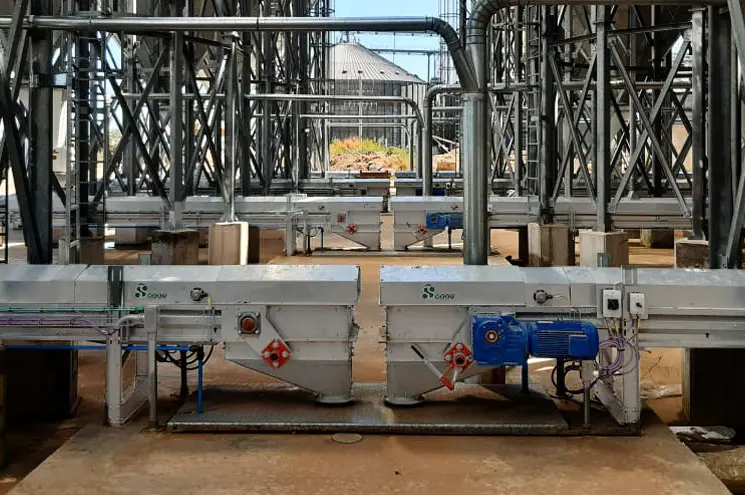
When winter hits hard in Ohio, it’s not just the roads that freeze up. Conveyor systems powering agricultural and industrial facilities around Springfield feel the drop in temperature too. Snow and cold don’t take it easy on belts, especially when they’re already stretched from long-term material handling. One weak spot on a Quick-Key Spool Belt Conveyor can throw off an entire shift, maybe the whole day. These systems need to run steady through late-season jobs, and that means checking the belt before trouble hits.
Imagine you’re closing in on end-of-year targets, and your conveyor belt comes apart just as you’re moving a full load across the line. That’s a shutdown nobody wants, especially right before the holidays. Regular upkeep cuts down the chances of last-minute breakdowns. If you know the signs a belt is wearing down, you can take action before it stalls production or damages other equipment. Keeping things running well into December starts with knowing what to look for and how to fix it.
Sweet Manufacturing Company, based in Springfield, Ohio, has built a strong reputation as a conveyor belt manufacturer that understands what these machines go through during winter. With the right maintenance plan and parts, especially for Quick-Key Spool Conveyors, unexpected breakdowns can be avoided and productivity can hold steady all season long.
Identifying When a Belt Needs Replacement
It’s easy to overlook a conveyor belt when nothing seems wrong, but most don’t suddenly fail. They break down over time. Daily wear, cold temperatures, and tension changes build up, and if your Quick-Key Spool Conveyor starts slipping, dragging, or making sounds it shouldn’t, the belt could be past its best days.
Here are some of the most common indicators it’s time for a replacement:
– Visible fraying along the belt edges
– Soft spots or cracks in the belt surface
– Buckling or creasing when the system’s running
– Slowed movement or slippage under the usual load
– Uneven tension or tracking problems during operation
Winter adds even more stress. Cold weather can make plastic and rubber belts stiffer. That means reduced flexibility and a higher risk of cracks, especially if the belt turns tight radii or moves consistently during freezing temperatures. Belts that feel brittle or have tension spikes during startup need extra attention.
There’s also the load factor. When moving dry grains or bulk feed indoors where heaters are running, dust can stick to the belt surface. That buildup adds weight in unusual spots and throws off balance over time. If your conveyor clunks when restarting or struggles with its usual pull, the problem may come from belt tension shifts.
Don’t wait for the belt to completely snap. Replacing it before it causes more serious issues—like motor strain or frame damage—saves more than just repair time. And since Quick-Key systems are designed for fast access, replacements are quicker and safer when handled before it becomes an emergency.
Steps for Replacing a Conveyor Belt on Quick-Key Spool Conveyors
Once it’s clear the belt needs to be replaced, get your tools ready first. Swapping out a belt on a Quick-Key Spool Conveyor isn’t overly complicated, but missing steps or rushing through it can lead to trouble. Always power down the line and follow lockout/tagout procedures before touching any part of the drive or pulley system.
Here’s a step-by-step process to stay efficient and safe:
1. Release Belt Tension
Use the take-up assembly to relieve belt tension. This creates slack for easier removal.
2. Remove Guards or Covers
Take off any guards blocking access to rollers or drive areas. Set them aside where they’ll stay visible and undamaged.
3. Disconnect Belt Ends
Unfasten the lacing or clip that connects the belt. In many Quick-Key systems, it’s one fastener near the tail pulley.
4. Remove the Belt from the Conveyor
Pull the old belt off using a steady motion. A second person helps keep the belt from twisting during the removal.
5. Thread New Belt in Place
Feed the replacement belt over the tail pulley and guide it all the way through. Make sure it remains square through the run.
6. Reconnect the Belt Ends
Use the correct linking method, whether mechanical lacing or Quick-Key built-in splice connectors.
7. Tension the New Belt
Gradually adjust the tension. It should be tight enough to grip without slipping but not so tight it strains the system.
8. Reinstall Guards and Covers
Secure all safety protections back in place before testing the equipment.
9. Test the System
Run the conveyor slowly at first. Ramp it up to normal speed and watch for anything that lines up improperly or makes an odd noise.
The job moves faster with proper tools on hand. A belt puller, tension gauge, wrenches, and safety gear are standard. Gloves and protective glasses should always be worn. If the setup differs from past replacements, don’t guess. Confirm the correct belt length, width, and tension needs using system specs.
Sometimes pulleys are misaligned, or a worn motor might interrupt belt movement. If something doesn’t feel right during installation, stop and call for help. Forcing a poor fit almost always ends in extra damage and lost production time.
Preventative Maintenance Tips
Changing a belt isn’t the only way to keep conveyors reliable during busy months. Routine maintenance stretches belt life, prevents gaps in production, and protects surrounding equipment from stress. Quick-Key Spool Conveyors were built for user access and fast checks, so taking a few minutes now and then can save hours later on.
Set up a maintenance schedule focused on daily and weekly checks. A full inspection doesn’t require tearing down the equipment.
Here are the top areas to check:
– Visual Inspection: Walk the line. Look over both sides, focusing on ripples, frays, or sections showing odd wear marks.
– Clear Buildup: Wipe off material stuck to the return side. Dust and grain buildup can shift the belt off track or slow its operation.
– Check Belt Tension: If startup seems harder or louder than usual, tension is the first place to look.
– Look Over Rollers and Pulleys: These parts often show signs before belts do. A stuck roller or frozen pulley during a cold spell signals wear nearby.
– Evaluate Splice Condition: Connectors should sit flat and smooth. Raised or gapped splices wear faster and add strain to surrounding surfaces.
When possible, perform maintenance before cold weather fully sets in. If your conveyor works near loading doors or vented areas, cold air sharpens the effects of small issues. Any belt turning in subfreezing conditions should be watched more closely, especially during startups.
A tired belt may still get the job done today, but the cost will show up later—or all at once when a sudden failure drops your whole system into downtime. That’s one hit no one wants in December.
Benefits of Professional Maintenance Services
Even experienced in-house teams can miss issues that seasoned technicians catch. Hiring professionals brings multiple advantages when it comes to conveyor maintenance, especially in cold-weather conditions. Sweet Manufacturing Company provides service teams that know every part of a Quick-Key Spool Conveyor inside and out.
A trained technician doesn’t just look at the belt. They inspect pulleys, motors, shaft alignments, and frame condition. They spot marker signs that build up to bigger problems. For example, one misaligned tail pulley could throw off the tracking on every belt downstream. Checking that early prevents wider system stress.
In systems linking multiple conveyors or feeding across stages, one belt failing may stop the whole operation. Sweet Manufacturing service crews are trained to find those weak points and fix them before they chain-react across the system. It’s not just about belt replacement—it’s about system readiness.
They also arrive with correct tools. Belt lifts, tension gauges, secure wrenches, and even spare guards are usually on hand. That’s important when the wrong part leads to longer jobs or costly delays. With the right tools, replacement work can be finished in a fraction of the time it takes an unprepared crew.
Bringing in a trusted local expert helps your team stay focused on operations while knowing service is done safely and correctly. Especially in high-volume months, a smooth-running system is more than convenience—it’s critical.
Keeping Your Conveyors Running Smoothly Throughout Winter
In Springfield, winter doesn’t ease up for anyone. Production doesn’t stop just because it’s 15 degrees outside. When conveyors are critical to meeting demand or keeping stock moving, proper preparation is the difference between uptime and hours lost to surprise repairs.
If your Quick-Key Spool Conveyor is starting to show signs of wear, now’s the time to act. Addressing cold-related stiffness, tension issues, or shallow belt wear before they boil over keeps operations moving, deadlines on schedule, and holiday production stress-free.
Quick maintenance checks, smart replacement timing, and experienced help all work together to keep systems online. Sweet Manufacturing Company stands ready to help local teams through the busiest and coldest months with conveyor parts, service, and advice when it’s needed most. Whether it’s just a quick inspection or a full belt replacement, it pays to be one step ahead of winter.
For those looking to keep their production lines running smoothly throughout the harsh Ohio winters, working with a reliable conveyor belt manufacturer can make all the difference. At Sweet Manufacturing Company, we provide the support and knowledge needed to ensure your systems operate without interruptions during colder months. Reach out to learn how we can help keep your equipment winter-ready and performing at its best.