


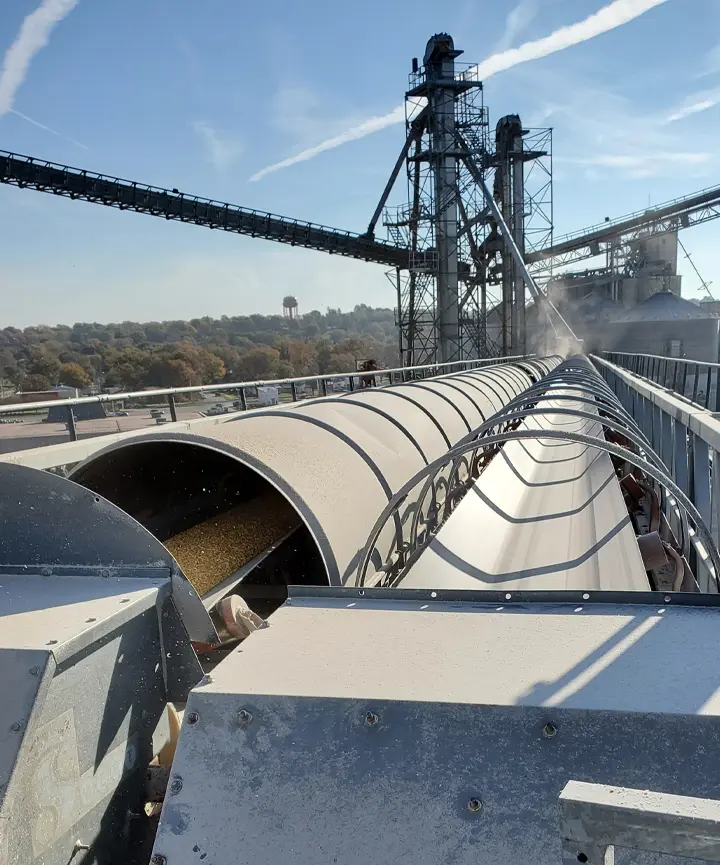
Belt tracking problems can interrupt even the best-planned operations. When a belt shifts off-center in an industrial conveyor system, it’s not just a small nuisance. It can slow down the line, wear down components faster, and make the work environment less safe for everyone around it. In places that rely on material flow like grain handling, packaging, or parts manufacturing, misalignment quickly turns into lost time.
Getting belt tracking right means your system runs smoother, parts last longer, and less manpower gets tied up in repair work. For operators in Springfield, anything that keeps the belts running straight helps protect output during the busy fall season. With tighter timelines and more moving parts, now is a great time to look at the signs of tracking issues before they lead to shutdowns.
Identifying Common Belt Tracking Problems
Sometimes you can hear the problem before you see it. A belt may slide against the side guard or skip over a roller. Misalignment is the most common problem and usually shows up as the belt drifting too far to one side. Over time, this damages the belt edges and wears down side tracking frames. Uneven material loading or buildup from product spillage often makes the issue worse.
Here’s a breakdown of common belt tracking problems and how to spot them:
– Misalignment: The belt shifts left or right instead of staying centered. Look for frayed belt edges or odd wear patterns along the return side.
– Slippage: The belt lags while the drive pulleys keep moving. It may squeal, and the tension will feel off when checked manually.
– Uneven wear: One side of the belt looks flat while the other thins out. This usually comes from misaligned rollers or pulleys.
– Edge curling or folding: The belt edge bends during operation or scrapes the structure or guards.
– Jumping off track: The belt slips off the pulley or guide track completely. This kind of failure halts production fast and takes longer to fix.
During a walkthrough, you might notice more dust on one side or material falling off more frequently along a particular section. These are small signs that something in the system rollers, pulleys, or loading points has shifted. Belt tracking problems rarely correct themselves, so addressing them early is key.
Causes of Belt Tracking Problems
There’s rarely one reason why a belt starts drifting out of alignment. It’s usually a mix of factors including setup errors and everyday wear. In Springfield, temperature changes in the fall and varying dust levels from harvest operations can slowly knock a system out of balance without warning.
One common issue is improper installation. This includes pulleys that weren’t aligned properly from the start or bolts that never got tightened enough. Rollers can also sink or shift over time, especially if they’re mounted on aging concrete or soil. Outdoor lines without good drainage may face seasonal warping as water collects and freezes underneath mounting points.
Then there’s material buildup. Fine dust or product remnants can layer around the pulleys, causing them to turn inconsistently. Even small layers of build-up can nudge the belt off-center bit by bit. If crews aren’t checking often, return idlers and guide rollers might wear out unnoticed.
Common causes to keep in mind include:
- Pulley misalignment or tilt
- Uneven loading from one side receiving more material
- Belt tension that’s too low or tight
- Worn, frozen, or misaligned rollers
- Damaged or loose tracking guides
- Environmental impacts like heat swings, moisture, or debris buildup
A facility near Springfield had regular tracking issues. After checking tension and pulleys, they discovered one side of the conveyor base had settled due to a cracked concrete pad. A quick shim and bolt recheck brought alignment back. Sometimes the foundation plays just as much of a role as the frame itself.
Understanding these causes makes it easier to know where to look first. Whether the problem started during install or after months of use, catching it early prevents major downtime.
Solutions to Resolve Belt Tracking Issues
Finding the reason a belt is drifting is the first step. Once you’ve ruled out serious structural damage, small steps can bring big results. Most commonly, fixing an off-track belt involves adjusting tension, aligning components, and refreshing contact points.
Try these key adjustments:
– Check pulley alignment using a straightedge or laser. Both drive and tail pulleys must be square to the conveyor frame.
– Adjust belt tension across the full width, not just one side. Uneven tension builds up shift over time.
– Clean the belt path thoroughly, especially around pulleys and rollers. Debris can change how rollers turn and shift the belt.
– Look at troughing rollers. Wing rollers aimed down at steep angles can throw belts off-line.
– Install belt tracking components like sensors or self-aligning rollers. These provide corrections automatically under load.
Tracking sensors and mechanical trainers work well in enclosed belt systems. They help you catch drift before it causes damage. In Springfield’s changing fall conditions, where moisture and fine product often mix, proactive adjustments make a big difference.
Taking time once a week for a slow belt inspection is worth it. Observe friction points, listen for rattling or dragging, and look for belt sections moving unevenly. If the motor feels like it’s working harder, that could mean friction is building up from poor alignment or stuck parts.
Maintenance teams should document these runs. Repeat issues, especially in the same spot, may point to a bigger design or loading problem that needs attention.
Preventive Measures for Optimal Belt Tracking
Addressing current tracking issues is important, but setting up habits to prevent them is even better. For busy operations in Springfield going into peak fall material movement, prevention avoids serious disruption. A few small habits can save hours of repairs down the line.
Here are good habits for tracking maintenance:
- Schedule regular inspections. Weekly walkthroughs can spot roller misalignment or sagging belts early.
- Clear product buildup often. Dust and grain can wedge into pulley gaps and build uneven tension.
- Train all operators to know what signs to watch for—squeaks, drag, shifting.
- Log wear patterns. If one side wears out faster, take it seriously and check frame and loading points.
- Even out your loading zones. Feeding material mostly to one side pushes belts off-center.
- Replace damaged rollers or idlers instead of patching them. One failing part adds pressure to others.
- Start with strong components. High-quality belts, guides, and support frames cut down shift risks.
One Springfield processing facility noticed their Formed Channel Belt Conveyor belt sliding sideways frequently during high-volume hours. After reviewing system performance and walking through loading areas, they found the chute above the conveyor was leaning slightly. By adjusting the angle to feed the product evenly, they fixed the issue without touching the belt.
Keeping things smooth isn’t about overhauling everything at once. It’s about building routines, listening to your system, and acting when small signs show up.
Building Long-Term Conveyor Reliability
A consistently tracked belt keeps everything running smoother. It prevents parts from wearing out too fast and keeps systems moving without delays. Whether moving grain, construction materials, or processed goods, a belt that stays centered boosts both safety and productivity.
Most belt tracking problems begin with something small. A bolt shifts, dust builds up, or loading gets a little uneven. Left alone, those small things turn into downtime and rushed repair jobs. With some awareness and consistent upkeep, those problems stay small.
In Springfield, where seasonal shifts keep facilities working hard to meet demands, stable, reliable conveyor systems matter. A single tracking failure can carry across multiple machines and schedules. But with good habits in place and a focus on early detection, teams can keep belts on track, systems safe, and output steady. The payoff is fewer stops, better safety, and a system you can count on no matter the workload.
To keep your operations running smoothly and reduce belt tracking headaches, rely on trusted and durable solutions. Explore our range of industrial conveyors built for reliable performance and long-term efficiency in demanding environments. Let Sweet Manufacturing Company help improve your conveyance systems with dependable equipment that works as hard as you do.