

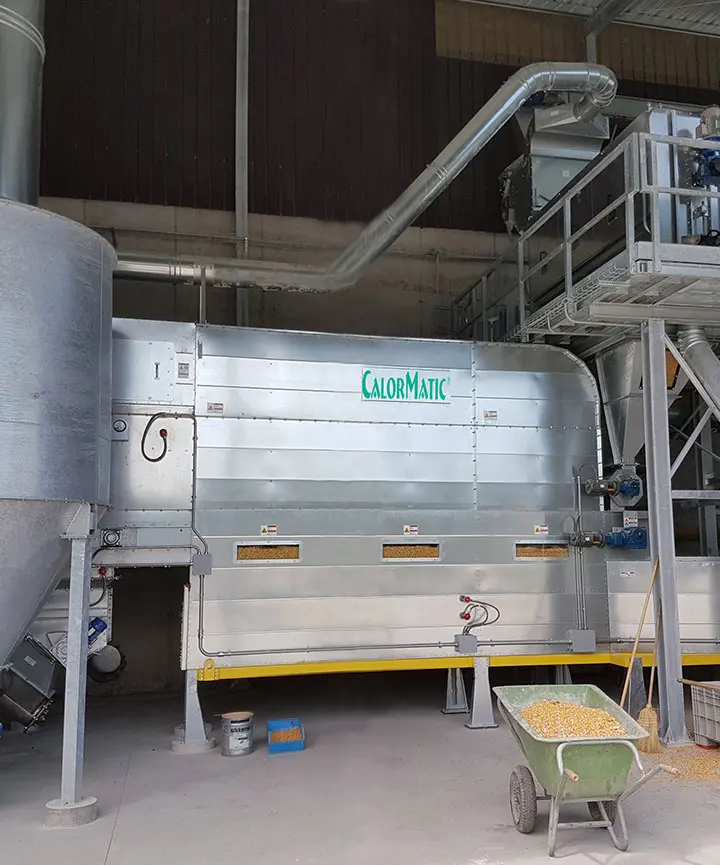
Winter in Springfield, Ohio, doesn’t take it easy on material handling systems. When the temperatures keep dipping, operators managing bulk material handling equipment must stay ahead of the cold. For systems like the CalorMatic® Heat Processor, freezing pipes, sluggish movement, and inconsistent material behavior can throw a wrench into the workflow if steps aren’t taken to adapt.
Cold weather operation comes with its own playbook. Whether you’re running feed ingredients, fertilizers, or industrial materials through the processor, you need to consider how climate impacts performance. With winter reaching its peak around late December, it’s time to shift focus from prepping for colder weather to making sure your CalorMatic® system keeps up with daily demands. Knowing what to expect and how to respond helps minimize downtime and keeps product quality steady through the season.
Understanding Cold Weather Impacts On CalorMatic® Systems
When things freeze up outside, your equipment can feel it from the inside. CalorMatic® systems work hard moving and conditioning bulk materials. But when cold air gets into the process or moisture sneaks through, the performance can take a hit.
Low temps change how materials behave. Moisture can turn to frost inside ducts or conditioning areas, which then affects air and heat flow. If materials clump, clog, or move unevenly because of freezing, it causes jams or forces slower processing speeds. That cuts into productivity fast.
That’s not all. The cold creates wear-and-tear on key parts like sensors, wiring, and heating components. Condensation is another quiet issue. It combines moisture with cold air and promotes rust or electrical faults without obvious signs at first.
Winter use doesn’t have to mean breakdown after breakdown. When equipment is kept clean, warm, and running with the proper settings, those issues stay small. That starts with one key habit: steady winter maintenance. Regular walkthroughs and system checks in cold months protect both your equipment and output.
Here are a few common cold-weather problems operators may run into with a CalorMatic® system:
– Heat doesn’t transfer properly due to cold external airflow
– Materials stiffen as they cool mid-process, leading to uneven flow
– Moisture turns to frost inside hoods or channels, limiting venting
– Sensors give off false signals after icing up or shorting out
– Air filters get wet from condensation and clog more quickly
All of this comes down to one goal: keeping your process consistent even as the weather keeps shifting. Without adjusting to conditions, systems either slow down or work harder than they have to, which shortens their overall lifespan.
Pre-Winter Maintenance Tips
While late December is typically too late for full pre-winter prep in Ohio, referring back to these steps helps explain what should be locked in place to keep systems stable now. Think of this as a cold-weather maintenance baseline. If it wasn’t done earlier, now’s the time to double-check.
1. Check insulation across the heat paths
Make sure any insulation wrap or panels are intact around ducting and heating surfaces. Frayed or flattened material won’t keep warmth in.
2. Test heating elements for consistent output
Brittle wires or burned-out heating strips won’t show themselves until the system struggles to reach target temps.
3. Inspect hinges, seals, and access doors
Gaskets and joints shrink or crack in the cold. Replace anything loose that could let outside air in.
4. Drain and dry exposed piping
If there are areas that don’t run continuously, make sure any moisture is cleared out to prevent internal freezing.
5. Clean sensors and air filters
Build-up from fall debris or past runs can block sensors or restrict clean airflow. That means false readings or weak processing power.
Winter doesn’t have a pause button, but regular checks help keep problems manageable. Systems that are already showing signs of stress should be addressed quickly. Catching issues early keeps them from snowballing into something bigger.
Operational Best Practices During Winter
Cold temperatures don’t take a break, so staying on top of things each day keeps the CalorMatic® Heat Processor running steady. Small daily checks might seem basic, but they make a big difference when conditions shift fast like they do in winters around Springfield.
Before each shift, it helps to do a quick walkaround and confirm everything’s where it should be. Here’s what operators should focus on regularly:
– Monitor system warm-up times. If it’s taking longer than usual, that could point to stress on heating elements.
– Look for frost build-up around vents, seals, or access doors.
– Feel for uneven surface temperatures on ductwork. Cold spots can signal airflow issues.
– Check display readouts or indicators for unusual jumps in internal temperature.
– Watch for changing material behavior like unexpected clumping, sticking, or slow movement out of the process.
With bulk materials like grain or feed, moisture tends to shift quicker in winter. As the processor adjusts air and heat, it may need recalibration. Material that’s wetter than usual can bog things down or throw off timing. Operators should track the output and adjust discharge settings as needed to match current conditions.
Troubleshooting becomes easier when there’s a consistent pattern of what the system sounds and feels like during normal operation. For example, a rattling duct or spike in amp draw can be a simple fix now but lead to bigger problems if ignored. We’ve seen cases in colder climates where belt-driven systems stiffened mid-run due to unnoticed moisture intrusion. Spotting that early helped the crew avoid a full motor shutdown.
Start-of-day checks should also include verifying that all safety shutoff sensors are functioning. Cold weather can sometimes trigger false resets, especially when sensors have collected frost or debris overnight. A quick clean and test can prevent unnecessary stoppages.
Preparing for Post-Winter Maintenance
Once the bitter cold has passed and spring starts creeping back into Springfield, that’s the window to reset for the next run. Post-winter maintenance isn’t just about cleaning up. It’s how you lock in lessons from the last few months and get ready for the humidity shifts to come.
Begin with a full system shutdown and cool-down. Then clear out lingering debris from ducts, vents, and intake areas. Moisture trapped over the winter may still be hidden in corners or beneath seals. Residue buildup can lead to airflow problems heading into warmer months.
Make sure to:
- Clean or replace filters and screens that collected dust, ice, or condensation
- Drain any standing water left over from thawing or condensation inside piping or tanks
- Lubricate moving parts and inspect for corrosion or wear caused by prolonged cold exposure
- Check electrical connections for signs of rust or brittleness. Replace any cracked covers or molding
- Restock spare parts based on what was used during winter repairs or replacements
Recording what went wrong or almost went wrong during cold periods helps teams stay one step ahead. Maybe a specific part froze multiple times, or a setting needed daily adjustment. Logging that info for next year’s prep will save time and headaches down the line.
If the processor had to push past its intended operating conditions to keep up with demand, now is also the time to assess whether longer-term upgrades or larger inspections are needed. That might include reinforcing insulation, adjusting material intake settings, or recalibrating heat zones.
Staying Productive Through the Deep Freeze
By late December, most major prep is behind you, and the focus is staying steady through harsh weather. That’s where habits matter most. Teams that track performance daily, respond quickly to outside temperature changes, and fix minor issues before they snowball will be the ones avoiding downtime during key production periods.
Consistency in how CalorMatic® systems are maintained, monitored, and cleaned pays off, especially in Springfield’s cold months. While not every problem can be avoided, many slowdowns can be traced back to small things that got ignored for too long.
It helps when workers are familiar with how their equipment behaves in different conditions. Winter doesn’t change the basics, but it tightens the margin for error. A frozen filter, a missed sensor reset, or a duct that doesn’t seal fully can throw off even the best-run systems in minutes. That’s why every pass through cold weather adds to your team’s experience with how to work smarter in the next one.
Winter prep might start long before the first freeze, but how you run through it decides how smooth the next transition will be. Spring will come. The question is what condition the equipment’s in when it gets there.
Winter demands a lot from your equipment, but with proper care, you can ensure smooth operation all season long. To dive deeper into improving your bulk material handling equipments, see how Sweet Manufacturing Company’s CalorMatic® Heat Processor stands up to the elements. Understanding the ins and outs of regular system checks and maintenance can save you time and keep everything running efficiently, even in harsh conditions.