

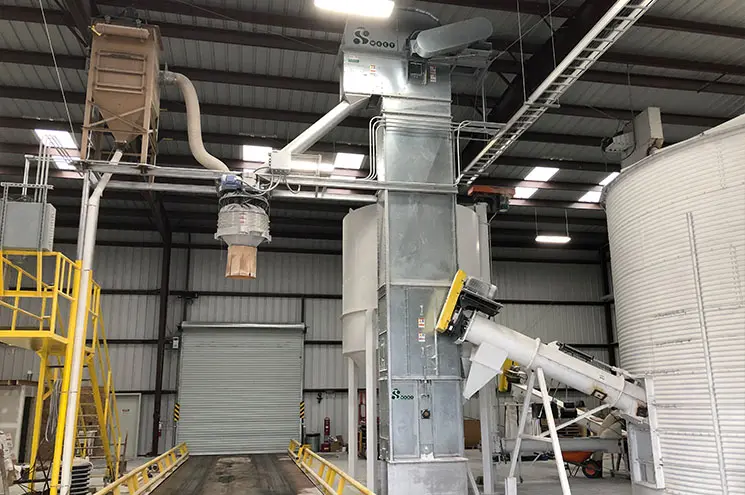
Bucket elevators are made to move a lot of material. When they run day after day in busy agricultural or industrial settings, a little damage can sneak past unnoticed. Over time though, worn or broken elevator buckets can slow down production, damage other equipment, or even lead to a full stop if not fixed. For operations around Springfield, Ohio, especially during fall when harvest processing ramps up, keeping your elevator systems working right can make a major difference in staying on track.
One piece that takes on a lot of wear is the elevator bucket. These buckets keep things moving through your system, carrying grain or other material from one level to another. Spotting signs of damage early and knowing how to get those buckets replaced can help avoid unplanned downtime and keep your team focused on the work at hand. Let’s take a step-by-step look at how to identify and safely replace damaged buckets in a Sweetheart elevator system.
Recognizing Damaged Buckets: Signs To Look For
Catching damage early is a lot better than being surprised by a pileup of material or sudden equipment loss. A quick walk-through routine, especially when machinery is shut down, can save time and money later. Here are some signs that your elevator buckets need attention:
– Cracks or splits in the bucket walls
– Missing chunks, especially around the discharge lip
– Warped or misshaped buckets affecting material scoop
– Buckets that look loose or improperly aligned on the belt or chain
– Rust or deep scratches that signal material has been scraping in the wrong places
Sometimes, damage isn’t super obvious. A bucket may look okay but still cause recurring jams or make your system vibrate more than usual. If material flow has changed or settling has increased around discharge points, it’s worth taking a closer look.
An example of this is during corn harvest season. A facility operator in Ohio noticed slower output and minor spills around the base of the system. On inspection, a handful of the lower elevator buckets were cracked, which kept them from holding their full load. Replacing those returned everything to normal.
Set a goal to regularly inspect your system, especially during peak operation periods. Pay careful attention to high-wear zones where buckets come into direct contact with material strain, heat, or edges.
Tools And Equipment Needed For Replacing Buckets
Getting ready to replace a set of elevator buckets doesn’t require a warehouse full of gear, but having the right tools lined up before you start will keep things faster and safer. Here’s what should be on hand:
- Wrenches or socket sets for removing and reattaching fasteners
- Replacement nuts, bolts, and washers rated for your system
- The correct style and size of replacement buckets for your elevator model
- Safety gear like gloves, safety goggles, and hard hats for everyone involved
- A lockout/tagout kit to keep equipment from powering on during the repair
- Work platform or lift system (if needed) to access higher sections safely
- Flashlight and inspection mirror for checking behind and beneath belts or chains
It’s helpful to organize all parts and tools on a clean surface before work begins. Labeling hardware bags and double-checking each size match is worth the few extra minutes it takes. If you’re unsure whether a part needs swapping out, go ahead and change it along with the damaged bucket. That way, everything runs together without causing fuss down the line.
Whether swapping one bucket or several, keeping all gear nearby and making sure safety steps are followed can make the replacement process quicker and keep your team out of harm’s way.
Step-By-Step Guide To Replacing Buckets In Elevator Systems
Once you’ve spotted a damaged bucket and gathered your tools, the replacement process itself follows a clear set of steps. Staying organized and moving slowly through each part of the swap helps keep things safe, especially when working around heavy equipment.
1. Lock out the system
Before you do anything else, make sure power is completely off. Use a proper lockout/tagout kit to prevent anyone else from turning things back on during your repairs. This includes shutting down whatever controls the motor and securing access.
2. Inspect and clear the area
Double-check the surrounding buckets and structure. Remove any material left in the system that might shift or fall. It’s best to work on a system that’s clean and dry to avoid slipping or dropping hardware.
3. Remove the damaged bucket
Use a wrench or socket set to remove fasteners holding the damaged bucket to the belt or chain. Keep any washers or spacers if they’re still in good condition, but don’t reuse bolts that are rusted or stripped.
4. Install the new bucket
Align the new bucket exactly where the old one was. Use fresh hardware if needed, and tighten everything down to manufacturer-recommended torque. Too loose, and the bucket may wobble. Too tight, and you risk warping the bucket or damaging the holes.
5. Check alignment and spacing
Make sure the bucket lines up with the others in position, height, and spacing. If something looks off, now’s the time to fix it. Misalignment can cause uneven belt wear or material flow issues.
6. Run a test cycle
Slowly power the system back on and run an empty cycle while observing the area. Watch for strange sounds, vibration, or bouncing. If it runs clean, bring material back into the system in stages.
Sometimes it helps to have an extra set of eyes during a test run. One person can monitor the control panel while another watches the repair zone. This way, if something seems off, you can shut it down quickly and make adjustments.
Maintaining Longevity Of Elevator Bucket Conveyors
Taking care of your bucket conveyor system doesn’t stop once a replacement is done. Keeping it running for the long haul means sticking to basic upkeep routines. Small efforts at the right time prevent way bigger problems later.
Focus on these habits to help extend the life of your equipment:
– Schedule regular inspections during slow periods or between seasons
– Spot-check fasteners and bucket alignment weekly when in constant use
– Clean out buildup or moisture to avoid corrosion and slippage
– Track the wear pattern on buckets and parts like the belt or chain drive
– Replace more than one bucket if patterns show group wear
For example, at a Springfield grain operation, teams noticed they had to replace cracked buckets every few months. After checking their setup, they realized those same buckets were positioned low on the system and taking a heavier load than the rest. By rotating their buckets more strategically and lightly adjusting spacing, they doubled the time between replacements. Keeping an eye on patterns like that saves time and helps planning.
It’s also helpful to keep extra parts stocked based on which ones fail most often. Tracking what you replace and how often can show you which part of your system sees the most stress. That knowledge helps build smarter maintenance schedules and avoid rushed fixes down the road.
Ensuring Smooth Operation Through Professional Maintenance Services
Daily wear can sneak up on even the best operators. While a trained house crew can handle small repairs, there’s value in bringing in professionals who specialize in elevator systems, especially when preparing for busy times like harvest season or post-winter start-ups.
Service teams who know these systems inside and out tend to catch things that casual checks may skip. Bent mounting brackets, hairline cracks in buckets, or minor belt misalignment can quickly become problems when the machine’s under full load. With the right tools and experience, they can tune performance up without slowing your operation down.
They’re also better equipped to test how all parts of the system work together—bucket spacing, rotation speed, discharge timing, and how different sections are supported. When one part of a conveyor setup starts failing, it can ripple through the rest. A trained eye keeps that from happening.
Regular checkups from professionals aren’t just about swapping out broken parts. With a solid maintenance plan, they help extend machine life, reduce emergency downtime, and prevent costly system-wide failures. This gives facility teams more time to focus on processing, and less on surprises in the maintenance log.
Keep your elevator bucket conveyor system in Springfield working when you need it most by staying ahead on maintenance, spotting wear early, and not letting a small problem turn into a broken line. Working with pros who know what to look for is a smart way to keep things moving.
Maintaining a well-functioning elevator bucket conveyor is key to ensuring your agricultural or industrial operation runs smoothly. Regular maintenance, inspections, and professional services can help prevent unexpected downtime and keep your system in top shape. For more insight into how to keep everything running efficiently, explore our elevator bucket conveyor options designed to meet the demands of high-volume operations. Trust Sweet Manufacturing Company to help you stay ahead with reliable material handling solutions.