

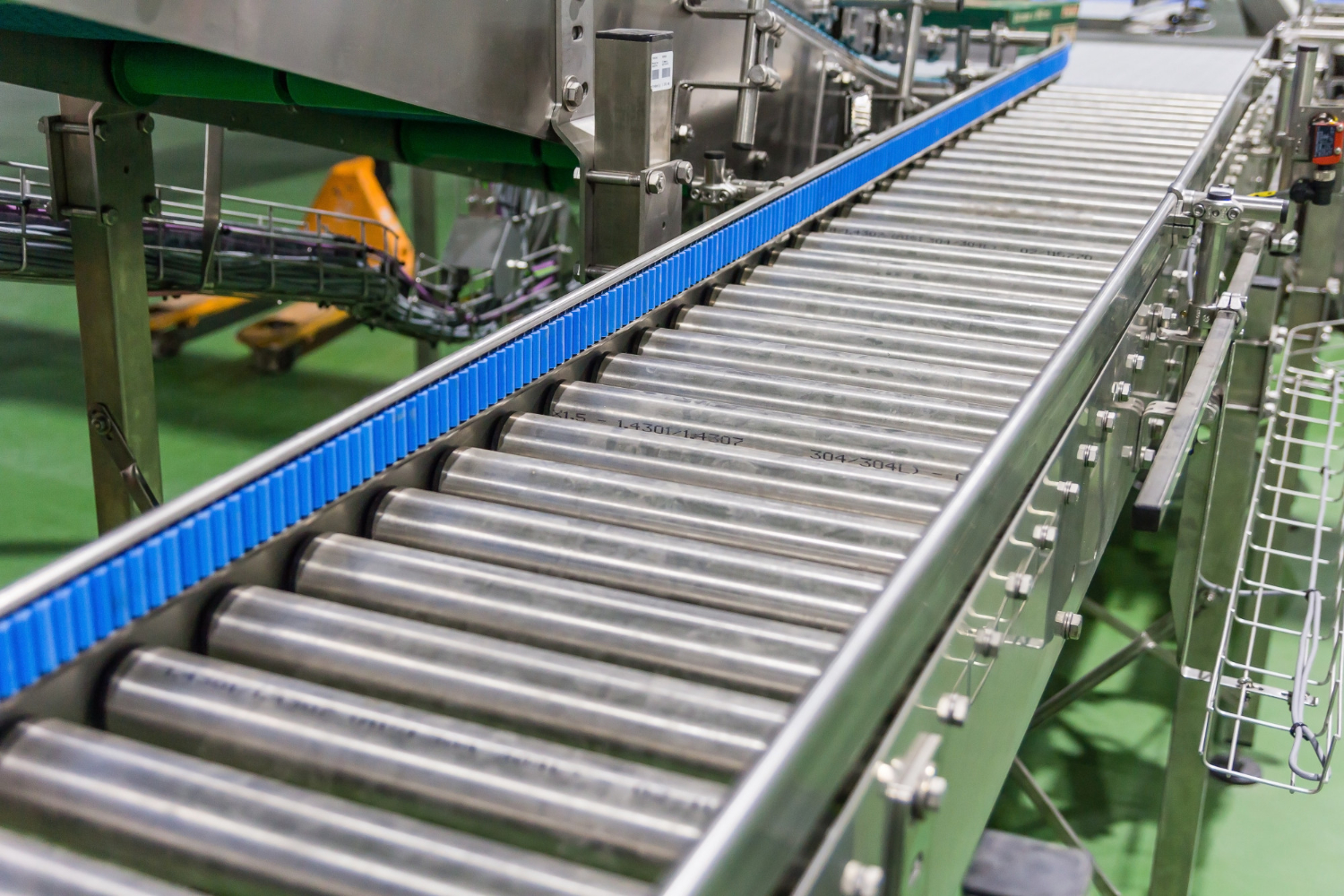
Keeping belt conveyors in good shape is really important for farms and other places that use them. These machines make chores easier by moving lots of stuff, like seeds or grains, from one spot to another. When belts last a long time, operations go smoothly without unwanted stops. They’re key to keeping everything running well and cutting down on fix-up bills. With Springfield, Ohio as a great example of where belt conveyors show their worth, extending belt life isn’t just a smart idea—it’s a must-do for anyone in agriculture.
Useful belt maintenance means benefiting from reliable service and not worrying too much about breakdowns. In places like Springfield, where agriculture plays a big role, businesses find extended belt life leads to less hassle and more work getting done. Making sure these systems are tip-top is part of a smart, practical way to run any farming operation.
Regular Inspections and Maintenance
Keeping your conveyor system in great shape starts with regular inspections. It’s much easier to find small problems before they become big headaches. During these check-ups, remember to watch for:
– Signs of wear: Look out for cracks or frayed edges. Catching these early means fixing them is easier and cheaper.
– Misalignment: Misplaced belts can cause uneven wear and tear, slowing down productivity.
– Cleanliness: Dust and debris can get into spots where they shouldn’t, causing extra wear.
Consistency is your best friend in conveyor maintenance. Building up a routine where you check on things regularly ensures that any issues don’t get a chance to grow into bigger ones. It’s like visiting the dentist—better to go regularly than to wait until you have a toothache.
Proper Tensioning of the Belt
When belts are too tight or too loose, they wear out quicker than they should. A well-tensioned belt leads to smoother operations and fewer hiccups down the line. Here’s what to do:
– First, make sure you’re using the right tension levels. This helps avoid unnecessary stress on the belt.
– Check tension using a simple guideline or tool—if the belt moves more than an inch up or down, it might need adjusting.
– Perform routine checks every few months to ensure the belt stays at its best tension.
Think of the tension like a guitar string. If it’s too tight, it snaps; too loose, and it won’t play properly. Finding that sweet spot lets your belt system work like a charm, keeping things moving without a hitch.
Taking the time to get tensioning right avoids many common issues that could otherwise crop up unexpectedly. This simple yet effective step helps maintain a reliable conveyor system that won’t let you down when you need it most.
Choosing the Right Belt Material
Selecting the correct belt material helps ensure longevity in your conveyor system, which means less downtime and lower costs. Different materials suit different purposes, and understanding your specific needs is key. For instance, if you’re moving abrasive materials like rocks, a belt made from durable rubber can handle the friction better than others. On the other hand, if the conveyor is used to transport food products, you’d want a belt material that is both durable and safe for contact with edibles.
Here’s a simple guide to help you choose the right material:
– Rubber: Great for heavy-duty applications and resistant to morning dew or minor wetness, suitable for outdoor environments.
– PVC: Often used in industries moving consumables, providing a clean, smooth, and sanitary surface.
– Nylon: Known for flexibility and high tensile strength, ideal for handling bulk materials in a clean, dry environment.
By choosing wisely, you ensure that the belt fits the demands of your operation. Better materials mean the belt will last longer, helping your machinery stay productive without sudden failures.
Implementing Effective Cleaning Practices
Keeping belts clean from debris and buildup is just as important as choosing the right materials. Debris can cling to conveyor belts, causing extra friction and wear, eventually leading to tears. Implementing simple cleaning routines helps prevent these issues, securing a longer lifespan for the belt.
Effective cleaning practices include:
– Daily Wipe Down: Use a damp cloth to remove dust and small particles after each shift.
– Weekly Deep Clean: Use a brush or a cleaning solution compatible with the material of your belt to scrub stubborn buildup.
– Regular Inspection: During cleanup, check for damages or areas that look worn or misaligned.
A cleaner belt is not only more efficient but also extends the life of the equipment. It’s like having clean clothes that last longer—no one wants to spend extra money on replacements when simple cleaning could prevent it.
Training Staff on Proper Usage
Ensuring staff are well-trained in the operation and handling of conveyor systems adds another layer of protection against premature wear. Proper usage helps prevent common issues like overloading, which can stress the belt and create potential weak points.
Important areas for training include:
– Loading Techniques: Teach staff the correct way to load materials to avoid uneven distribution, ensuring a balanced load across the belt.
– Operating Protocols: Train on the start-up and shut-down sequence to ensure smooth transition without jarring the system.
– Spot Issues Early: Educate employees to identify early signs of trouble like slipping or misalignment.
With knowledgeable staff, ensuring everything operates smoothly becomes a shared responsibility. The more eyes on potential problems and solutions, the fewer headaches down the road.
Ensuring Smooth Operations Year-Round
Wrapping up, extending the life of belt conveyors requires a strategic mix of maintenance, proper material choices, routine cleaning, and staff training. In Springfield, Ohio, where the agricultural scene thrives, following these proactive steps brings noticeable benefits.
Operators enjoy steady productivity with fewer interruptions, maximizing their systems’ capabilities and keeping them working efficiently across all seasons. When spring rolls around, ensuring equipment is ready for the busy months ahead saves both time and resources. This approach not only boosts operational efficiency but also supports the long-term goals of agricultural and industrial businesses in the area. By maintaining diligent care and awareness, conveyor systems in Springfield stay in peak condition, driving productivity day in and day out.
To keep your agricultural and industrial operations running smoothly, it’s vital to have the right equipment in place. Discover how a high-quality belt conveyor for bulk material from Sweet Manufacturing Company can make your processes more efficient and reliable. From ensuring the long life of your belts to offering solutions tailored to your needs, we’re here to support your productivity every step of the way.