

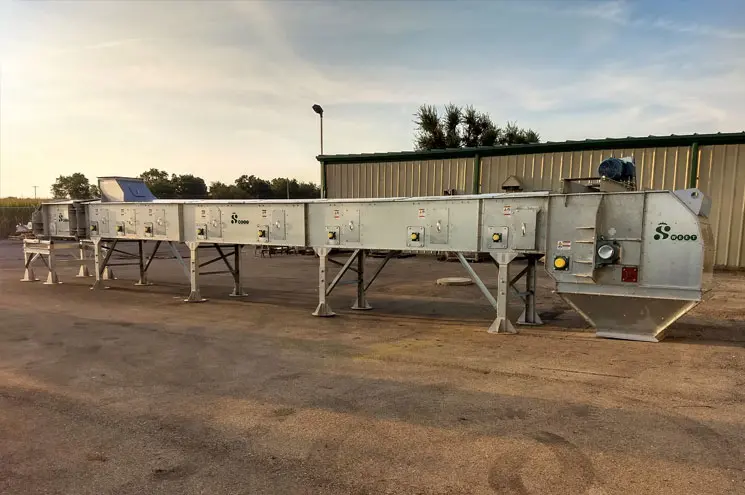
Grain systems go through a lot, especially over long seasons and heavy use. Parts like industrial belt conveyors are built to last, but they don’t last forever. After years of moving grain day in and day out, signs of wear can start to show. The trick is catching those signs before they turn into delays.
With spring right around the corner here in Springfield, Ohio, now’s a good time to inspect your setup. Seasonal temperature swings, downtime in winter, and upcoming harvest pressure all put extra stress on your system. Being able to tell when it’s time to replace a belt conveyor can save a lot of time and hassle once the warmer months arrive.
Looking at Wear and Tear the Right Way
Most belts won’t break out of the blue. They usually give us clues first. We’ve seen a few patterns that signal a belt is wearing out and might need a closer look.
• If you see frayed edges, small cracks, or deep grooves, that’s a clear sign the belt’s near the end of its life
• Belts that sag too much or keep slipping probably aren’t gripping or tracking right anymore
• Pulleys that wobble or belts that keep shifting off-center can damage nearby parts if left alone too long
We don’t always need to make changes right away, but spotting these early helps us plan. Waiting until the belt fails mid-run often leads to slower output or even a full stoppage. That’s the kind of delay we try to avoid.
Trouble with Moving Materials
A belt that can’t move grain like it used to will show it. You might see piles starting to form near spouts or grain getting backed up along the line. Even small leaks can point to a bigger problem if they keep coming back.
• If material flow looks uneven or too slow to keep up, the belt may be stretched or slipping
• Sudden stops or choppy movement could mean the drive system is struggling to push a worn belt
• Upgrading to Enclosed Belt Conveyors or Quick-Key® Spool Belt Conveyors can help if the older styles no longer perform the way they should
When belt wear reaches a certain point, it starts creating problems for other parts of the system too. It’s better to swap old belts before they begin to affect your flow and safety.
Time and Weather Both Matter
Every belt gets older, but how it was used has a lot to do with how long it lasts. Some grain systems here in Springfield, Ohio are exposed to wide weather swings. That can make belts wear out faster than expected.
• Cold winter temps can make belts stiff or brittle, especially if moisture is trapped in the system
• Long stretches of downtime can lead to cracking if the belt sits with tension on it
• Belts that have worked through several hot summers and icy winters may not need fixing now, but they should be checked
If you haven’t already added a seasonal inspection into your routine, early spring is a good time to start. It gives us a chance to clean out buildup and spot trouble before day-to-day operations get busy again.
Upgrading for Better Flow
When it does come time to update a belt conveyor, there’s usually a chance to improve how the system works too. The right setup doesn’t just move grain, it keeps the whole operation balanced and steady.
• New industrial belt conveyors from Sweet Manufacturing Company are available in systems with formed channel frames for extra strength and come in standard, enclosed, or Quick-Key® configurations
• Formed Channel Belt Conveyors with 2-piece bolted construction are designed for high-volume times and offer better strength for challenging loads
• Adding support systems like the Silver Span® Conveyor Support can prevent problems like sagging or frame shift over time
We’ve seen a difference in performance when older conveyors are replaced with newer builds suited to current work demands. Even small upgrades in the way belts are supported can make a system more reliable during tight harvest timelines.
Don’t Wait for a Breakdown
The best time to replace a tired conveyor isn’t when it finally shuts down. It’s a few steps before that point, when warning signs are clear, but the rest of the system is still working fine. We don’t always notice it right away, but once one section stops pulling its weight, the whole line starts to feel it.
• Belt conveyors that still run but cause repeated backups or need adjusting every day could be slowing things down more than we realize
• Watching for performance dips early gives us a shot to plan smarter maintenance
• Swapping a conveyor on your own schedule helps avoid rushed repairs or harvest delays
Planning ahead now avoids frustration later. It’s less stressful to replace something during prep than to troubleshoot it when trucks are lined up and time is already short.
A Smarter System Starts with Paying Attention
Industrial belt conveyors play a big role in keeping grain systems moving, but they have their limits. A good setup works hard year after year, but if we don’t check for signs of wear, trouble can sneak up fast. Fraying belts, skipped drives, and slow-moving product aren’t just small problems, they’re clues that the whole system might need attention.
By learning when conveyors start to fall behind, we give ourselves the chance to improve flow before it gets busy. A little time spent now, before spring fully hits, means fewer surprises later and more confidence in the season ahead. When the work picks up, it helps to know the equipment can keep up too. That starts with catching the signs early and swapping out what’s no longer doing the job.
Choose Reliable Performance This Season
When your grain system’s belt conveyors show signs of slipping or sagging and slowdowns are putting your schedule at risk, turning to the right equipment makes a real difference for Springfield, Ohio facilities. Sweet Manufacturing Company’s industrial belt conveyors offer both enclosed designs and heavy-duty formed channel options, with easy maintenance and reliable performance year after year. Adding proven support structures can make your new system last even longer, keeping your operation running smooth.
When your system’s belts aren’t performing like they used to, upgrading can make a real difference in keeping operations steady, especially during the busy seasons here in Springfield, Ohio. With our experience at Sweet Manufacturing, we know how a smoother setup using reliable parts supports efficiency and helps prevent daily slowdowns. For handling dry materials, our industrial belt conveyors provide the durability and flow control your facility needs. Ready to find your best solution? Reach out to our team today.