

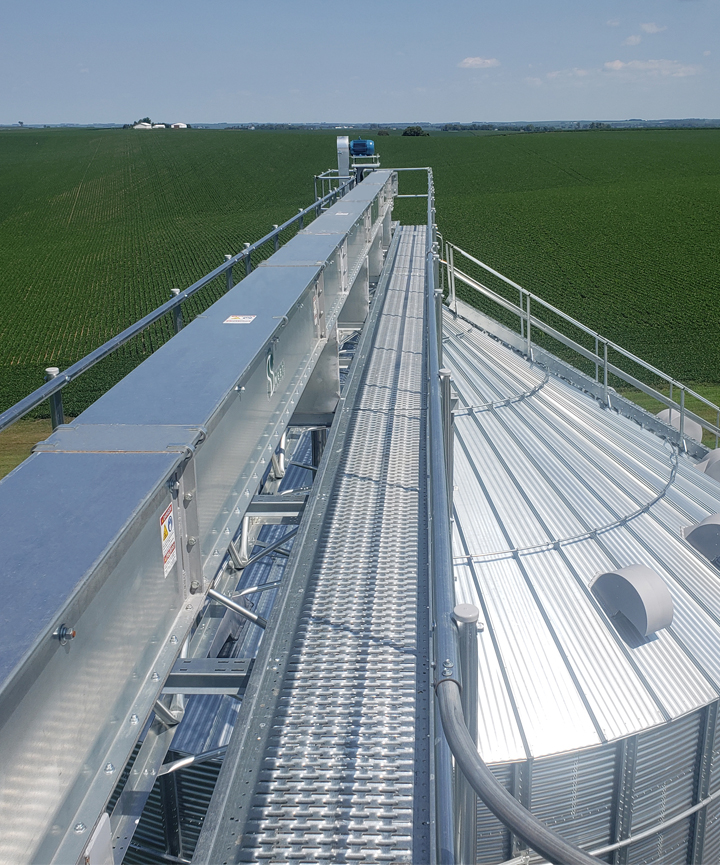
When bulk material doesn’t move through a belt system the way it should, operations slow down fast. Whether it’s wet grain sticking to the belt or an uneven feed flow piling up, clogged or sluggish conveyor systems take a bite out of productivity. In both industrial and agricultural settings, clean and steady material flow is the difference between keeping a process running and stopping everything to fix a jam.
Improving that flow isn’t just about adding more horsepower or speeding up the line. It’s about reducing friction, keeping materials centered, and making sure the setup matches the material being handled. When your bulk handling belt system is dialed in right, everything runs smoother. Less cleanup. Fewer delays. And less wear on parts. That saves time and money, plain and simple.
Understanding Material Flow Challenges
Even well-designed belt systems run into problems if materials aren’t flowing correctly. These problems usually show up in the form of backups, spillage, or uneven loads. Some operators might notice product dust escaping into the air, while others deal with materials that coast too far or get stuck in trough sections.
Most of these issues boil down to one thing: movement not happening the way it’s supposed to. Sometimes that’s due to the type of material you’re moving. Other times it comes from the belt configuration or how it was installed. Either way, if materials are shifting off-center, sticking to the belt, or piling up at transfer points, flow gets restricted.
Common flow issues include:
– Build-up inside enclosed belts or around trough sections
– Belt misalignment from loading too heavily on one side
– Material compacting and not breaking loose on inclines
– Overflow at discharge because of sudden surges
Each of these problems creates a ripple effect. Something as simple as wet grain in a belt section can cause hang-ups later in the system. And when materials won’t flow right, equipment works harder. That leads to damaged belts, worn bearings, and extra maintenance time. The longer these situations go unchecked, the more costly they become.
One real-world example came from a processing co-op that ran dried corn through their enclosed belt conveyor system. Every time humidity levels shifted, material flow would slow unexpectedly. Eventually, they traced the issue to moisture sticking the grain along the walls near discharge points. By tilting the chute slightly and adjusting belt speed, they saw a sharp drop in pile-ups without needing major hardware changes.
Key Factors Affecting Material Flow
There’s no one-size-fits-all answer to improving flow. To get it right, you first have to know what’s affecting it. Material properties are a big one. Things like size, weight, moisture, and even temperature make a huge difference in how something travels down a belt.
But it doesn’t stop there. Belt speed, incline angles, and system layout also play big roles. Systems that work great for dry fertilizer may struggle with fine powders or sticky seed blends. It’s not always the material’s fault. Sometimes it’s a mismatch between belt design and the material itself.
Here are four major factors that can disrupt bulk material flow:
1. Material Characteristics: Grain type, temperature, particle size, and moisture all impact how material behaves on a moving belt.
2. Belt Width and Speed: Running a narrow belt too fast increases the chance of spillage. Slower speeds may cause buildup.
3. Load Consistency: Fluctuations in feed rate can send heavy surges onto the belt or starve it for material.
4. System Layout: Outdated chutes or sharp turns in conveyor paths can slow things down or cause material to bunch at edges.
Any one of these factors can cause trouble if ignored. And when more than one of them is off-track, it multiplies the problem. Taking the time to match system layout and belt specs to the kind of material being handled is what keeps flow even and reliable year-round. Especially during harvest season like fall in Springfield, Ohio, when facilities are running at full pace, there’s not much room for error.
Best Practices for Improving Material Flow
To keep material moving the right way on a belt conveyor for bulk material, it’s important to stick to a few smart practices. Even small adjustments can make a big difference. When systems are tuned well, they move product reliably and don’t need as much manual oversight between shifts or seasons.
Here are some proven steps to improve material flow across your belt systems:
1. Check Belt Speed Often
A belt going too fast or too slow for the material type is a common cause of overflow, dust, or belt slippage. Slowing things down may help with sticky products, while loosening feed control may reduce surges. Try small speed changes before considering hardware upgrades.
2. Make Sure Discharges Are Clear and Open
If discharge chutes narrow too quickly or get blocked, build-up happens fast. Keep the exit clear, angled for gravity, and lined when needed.
3. Inspect Transitions and Truss Supports
Sudden drops or bounces at transfer points jar the material flow and wear down belts. Framed support systems like trusses or modular spans should stay rigid and lined up to avoid introducing extra vibration.
4. Calibrate Loading Zones
Uneven loading leads to tracking problems and side spillage. If the material isn’t centered, adjust the chute direction or look into deflectors that spread the stream evenly.
5. Run a Clean System
Debris like pebbles, twigs, or old bag pieces can jam belt cleaners or clog feed areas. Routine checks and cleanup go a long way, especially during harvest or heavy output periods.
6. Match the Belt to the Job
Every product moves differently. Use belts designed for the grain or bulk material being processed. High-friction belts may work better for damp or sticky materials that tend to slide.
An operation in Springfield installed a formed channel belt conveyor during soybean harvest. They noticed product backup happening around mid-day. After inspecting, they found the stored beans were warming under sun exposure, sticking in the feed chute, and slowing flow. Rather than replacing parts, they added a cover to shade the loading area and changed the belt’s feed angle slightly to promote smoother movement. Problem solved by small yet targeted changes.
Benefits of Optimized Material Flow
Fixing flow problems does more than just get product from one end to the other. A well-set system cuts back on maintenance and lowers the strain on every component tied to the belt. That means belts don’t wear as fast, motors don’t overheat trying to push too much resistance, and operators spend less time troubleshooting during the middle of busy shifts.
When systems run cleaner, the air stays clearer too. Less falling product means fewer dust clouds floating through the plant or barn, which helps reduce the need for blowdowns or sweep days. Stronger flow management also prevents spillage, which is one of the biggest enemies of efficiency. Product that ends up on the ground costs time to collect and work to haul back.
Here’s what streamlined material flow can deliver:
– Increased uptime across loading and discharge points
– Less belt wear caused by overloading or shifting material
– Lower energy use due to reduced drag and resistance
– Shorter cleanup times between loads and shifts
– Fewer unplanned stops caused by jams or blockages
And during busy fall seasons in places like Springfield, where operators are racing against shorter days and tighter windows, every saved minute counts. Consistent flow brings peace of mind.
Getting the Most Out of Your Belt System
Getting the most out of your bulk handling belt system is about more than horsepower or belt speed. It’s about taking time to understand how the material moves and how the system supports that movement. When belts stay centered, feed rates stay steady, and transitions stay smooth, you get a more predictable, reliable system all around.
Seasonal changes, like cool mornings and warm afternoons in October, can mess with how moisture behaves in grains. Systems that are properly tuned to those conditions handle the shift better. Belt conveyors that are matched to material type, adjusted with regular checks, and supported with smartly designed discharge and loading zones will keep things flowing clean and fast.
Improvements don’t always mean investing in new equipment. In many situations, tweaking layout angles, shifting chute entry paths, or covering open sections can remove barriers to better performance. Operators who understand the setup and keep it clean, balanced, and aligned will get the most out of their belt conveyors for bulk materials day in and day out.
To keep your operation moving smoothly, consider the benefits of upgrading to a belt conveyor for bulk material that supports your facility’s unique needs. Sweet Manufacturing Company offers tailored solutions that improve workflow, cut down on slowdowns, and help you get more done with less hassle. Contact us today to find out how we can help optimize your setup.