


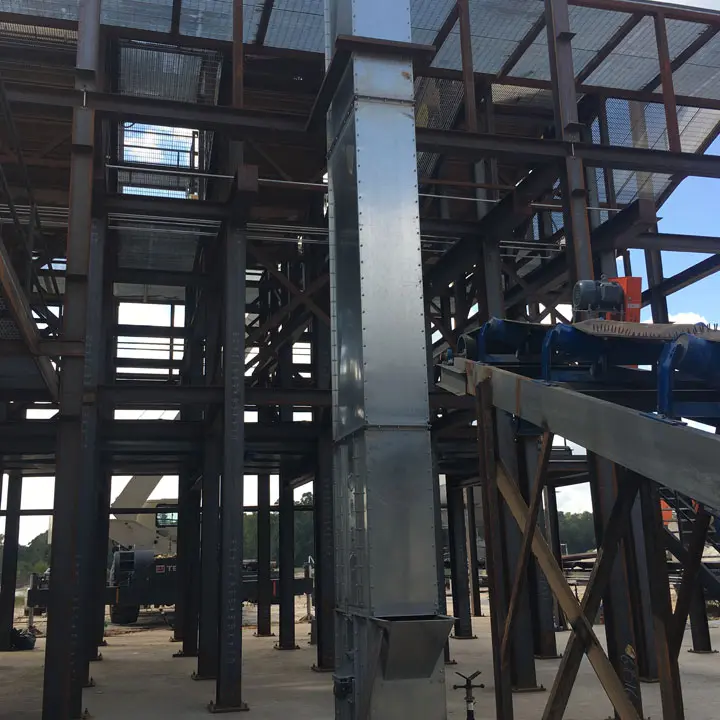
When Silver-Sweet Bucket Elevators are working the way they should, they move bulk materials without delays, disruptions, or extra mess. This helps keep grain handling, feed production, and other industrial operations running smoother day by day. But like any mechanical equipment, they need steady upkeep to stay efficient. If something’s off, even slightly, it can throw off timing, slow overall output, and lead to problems that are harder to fix later.
Fine-tuning performance doesn’t have to be overwhelming. Regular care and making small adjustments early can help you avoid downtime at harvest or during heavy production seasons. The good news is most of this doesn’t require a complicated approach, just a consistent one. Fall is a good time in Springfield, Ohio, to check systems before colder weather rolls in. Here’s a look at how a few simple habits can protect your equipment and keep things moving as planned.
Regular Inspection and Maintenance
One of the best things you can do for a bucket elevator system is stick to a routine inspection plan. Too often, small problems turn into big ones simply because they were missed early. Checking equipment regularly makes it easier to catch wear, loosened parts, or stress before it spreads.
Inspect these parts on a regular basis:
- Belts for stretching, fraying, or uneven wear
- Pulleys for alignment and proper rotation
- Chains for tightness, cracks, and signs of rust
- Buckets for cracks or damage
- Bearings for noise or movement
- Tensioning devices for proper pressure
- Gearboxes for oil levels and leaks
In some busy operations, a weekly check might be needed. For others, monthly walk-throughs may be enough. Either way, logging every inspection helps track changes and spot patterns over time. If one pulley starts to loosen more often than it should, it’s a signal something may need to be adjusted further or replaced.
One example of this being useful: a manager at a grain co-op noticed a belt was fraying more on one side than the other during routine checks. Catching it early led to a quick belt adjustment and avoided a full belt failure during peak grain intake the following week.
Proper Lubrication
Lubrication is one of those basic tasks that can save you a bunch of trouble later. Without it, friction builds up, and moving parts wear out quicker than they should. Properly lubricated parts create less heat, move more freely, and last longer.
To get the best results:
- Use the right lubricant for the job. Don’t substitute general oil if the manual calls for something specific
- Focus on key spots: bearings, chains, and gearboxes
- Wipe down old grease and grime before applying a new coat
- Stick to a consistent schedule. Too much lubrication causes buildup, too little causes wear
If you’re unsure how often to lubricate, start by checking monthly. If the system runs heavily every day, weekly checks with short touch-ups can make a noticeable difference.
It’s especially worth checking lubrication going into the colder months. Temperatures across Ohio can affect the viscosity of lubricants. Thicker grease in cold equipment won’t move as easily, causing more strain. Choosing seasonally appropriate lubricants can avoid wear that might have been preventable with just a quick change.
Calibration and Adjustment
Even when your Silver-Sweet Bucket Elevator is running, it may not be running at its best. Calibration and adjustment help get every part of the system in sync. Over time, belts drift, chains loosen, and tension shifts. Even a slight alignment issue can increase wear and reduce flow without being obvious at first.
Start with belt tension. If belts are too loose, they can slip and overload motor parts. If too tight, they place more stress on shafts and bearings. Look for solid tension across the belt and correct any sagging or twisting. Chains work similarly, where tension should keep them moving smooth but not stiff. Over-tightening can snap the chain. Under-tightening could cause lag and noise.
Here’s a basic routine to keep alignment where it should be:
- Inspect belt tension every two weeks during peak seasons
- Use laser tools to help check pulley and sprocket alignment
- Check return sections for drag or uneven movement
- Look for higher wear along specific areas of the belt or chain
These checks only take a little time but can prevent bigger breakdowns at the wrong moment. A facility in Springfield experienced this during harvest when one chain developed slack. Each cycle got slower until a tech spotted and fixed the misalignment. Production time quickly returned to normal.
Upgrading and Replacing Worn Parts
No equipment runs forever without a little help. Parts wear down. Belts lose their tightness. Chains rust. Upgrading or replacing well-used components lets your elevator handle more output without increasing risk of failure.
Focus on parts that carry the most stress, like:
- Buckets showing cracking or misshape
- Belts that can’t keep tension
- Drive pulleys that feel uneven or rough
- Chains that show bending or surface corrosion
Don’t wait for these parts to fail. Swap in new ones during a lull between rush periods. It’s faster, easier, and cheaper in the long run. Keeping a steady supply of standard replacement parts can help reduce downtime, especially during harvest.
In higher-load environments, upgrading older parts with improved materials can help, such as steel-reinforced belts or corrosion-resistant chain links. That’s especially true in places like Springfield, where hot and freezing conditions switch back and forth quickly. The constant expansion and contraction takes a toll over time. Staying ahead of wear from weather gives your system a longer, steadier run.
Maintaining Safety Standards
Taking care of your equipment also means taking care of the people using it. If parts are noisy, out of alignment, or leaking oil, those are safety problems waiting to happen. Building safety checks directly into your maintenance tasks is smart for everyone on site.
Some basic safety tasks to include:
- Make sure pulley guards and covers are always in place
- Keep safety and lockout signs clean, visible, and understandable
- Train your team to turn off systems before doing inspections
- Use gloves and protection when handling fresh grease or hot components
- Keep the elevator base and surrounding areas dry and clear of debris
A smoother worksite is a safer one. When machinery works the way it should, the risk of slips, cuts, or serious mishaps drops. One processing site near Springfield had an issue when an unchecked casing bolt loosened. It flung a chain sideways and knocked a guard loose. It wasn’t even during production, but someone could’ve easily tripped. A morning walkaround would have caught it.
Keep Things Running Without the Headaches
Every bucket elevator has a limit, but solid upkeep helps push that limit further. Whether you’re handling grain, bulk feed, or industrial materials, the goal is always consistent flow without setbacks. Simple routines like regular checks, proper lubrication, tight calibration, and part replacement go a long way.
When you build these habits into your calendar, you’re less likely to face downtime or panic repairs mid-day. On top of that, keeping an eye on safety keeps your site and your team better protected.
Partnering with knowledgeable bucket elevator suppliers in Springfield, Ohio, helps make regular maintenance even easier. Getting the right parts for your Silver-Sweet system means fewer compatibility issues and better overall performance. When your elevator runs as it should, the rest of the operation runs better too.
For those looking to optimize their equipment with reliable parts and services, working with experienced bucket elevator suppliers can make all the difference. Sweet Manufacturing Company supports operations in Springfield, Ohio, with dependable solutions that keep Silver-Sweet Bucket Elevators running efficiently and with less downtime.