


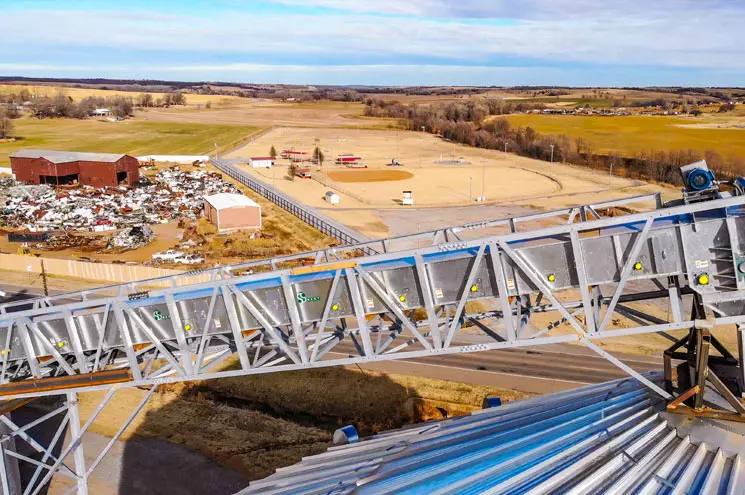
When temperatures inside conveyor systems swing too far in either direction, trouble isn’t far behind. Heat can cause belts to stretch, make motors work harder, and put extra stress on bearings. On the flip side, cold conditions can lead to brittle material, frozen product, and stiff belts that respond slower. In winter months like December, especially in places like Springfield, Ohio, operations don’t have much wiggle room when it comes to equipment hiccups. A simple temperature mismanagement can turn into a full-scale shutdown if it affects movement or material quality at the wrong time.
Enclosed belt conveyor systems are especially sensitive since the enclosure holds in heat, moisture, and airflow. When things go wrong inside the housing, it’s harder to spot the source of the issue without opening or slowing down the system. Whether you’re moving grain, fertilizer, or industrial materials, poor temperature control can lead to product damage or cause parts of the system to wear down early. That’s why it helps to know what problems to look for, how to spot them early, and what can be done to prevent them from happening again.
Common Temperature Control Issues In Enclosed Belt Conveyors
Enclosed conveyors are built to shield material from outside elements like rain, wind, or dust. But that same shielding can trap heat, condensation, or cold pockets inside. When that happens, it creates a few familiar problems that operations teams have to handle fast.
Here are some of the most common temperature-related issues:
– Overheating: Excess heat sources, such as nearby equipment or direct sunlight on metal housing, can cause internal conveyor temperatures to climb. Belts may warp, motors can get too hot, and pulleys might expand slightly, causing misalignment.
– Cold Spots: In unheated facilities or during harsh winter periods, parts of the system that are close to outside air can cool down quickly. This can lead to stiff belts, cracked rubber components, or frozen residue inside the housing.
– Condensation: Quick temperature changes often bring moisture into the mix. Warm product moving through a cold system or the other way around can trigger condensation, which leads to residue buildup and slick surfaces inside the conveyor.
– Thermal Expansion or Shrinkage: Parts made of metal expand or contract depending on the temperature. Daily swings in temperature can mess with alignment and belt tracking.
– Inconsistent Airflow: Without proper ventilation, pockets of heat or cold can develop in different sections, especially with longer runs of conveyor systems.
Most of the time, warning signs show up slowly. Belts start dragging or slipping. Motors draw more power than they usually need. The product might feel hotter or colder than expected when it comes out. Operators might also notice rust forming faster than usual or get alerts from sensors that detect temperature shifts. Spotting these signals early can save a lot of time, labor, and expensive parts.
Diagnosing Temperature Problems
When the conveyor isn’t running how it should, especially in December, checking for temperature problems is one of the first things that should be done. Cold weather mixed with enclosed space often creates stress points in the system. Most of the time, issues can be diagnosed with a few straightforward steps and the right tools.
Start with a basic inspection plan:
- Shut down and lock out the system. It’s always safer to inspect after stopping the conveyor completely.
- Look for visible wear signs. This includes belt curling, pulley misalignment, frost buildup, or warped housing panels.
- Check temperature differences by section. Use a handheld infrared thermometer or thermal camera to scan through the conveyor housing. Big shifts in surface temperature may show where the airflow or insulation isn’t working right.
- Open access panels. Review the interior for condensation, odd smells from overheating rubber or lubricants, or signs that product might be sticking.
- Review performance logs if available. Sudden narrow spikes in energy use or a gradual rise in motor load could point back to heat strain.
Simple tools like:
– IR thermometers
– Thermal imaging cameras
– Data from temperature sensors
– Conveyor RPM monitors
can help technicians pinpoint whether the issue is widespread or isolated. It’s also smart to look at nearby machines or heat sources that may be affecting airflow or raising the base temperature of the conveyor unintentionally. For example, if a heater was recently installed next to the system’s housing wall, it might warm that section and cause uneven expansion of parts.
Doing this kind of check at the first sign of trouble makes it easier to crack the problem before it spreads across the line. The good news is many of these issues are preventable when diagnostics become part of normal operating routines.
Quick Fixes And Long-Term Solutions
When temperature problems start causing trouble in enclosed belt conveyor systems, having a few short-term fixes ready can make a real difference. Sometimes a fast, simple action can stop a small issue from turning into a system-wide failure. In production-heavy months like December, keeping downtime to a minimum matters, especially in places like Springfield, Ohio, where the cold adds extra pressure.
Here are a few things crews can do right away:
– Adjust airflow to increase ventilation in tight sections
– Open access hatches briefly to release trapped heat or cold air pockets
– Move heat-generating equipment farther away from conveyor housings
– Apply lubricant to any moving parts beginning to drag or stick
– Use space heaters or insulation covers for cold-prone areas, but never set them too close to belt paths
If these steps buy you time, that’s great. But they don’t fix the root problem. That’s where long-term solutions come in. Some systems run better when they’re upgraded with temperature-sensitive sensors or re-routed airflow systems. Adding monitoring components near motors or high-friction areas can alert teams to heat spikes early. For longer conveyors, adding self-contained ventilation or insulation wraps on exposed sections helps even out internal conditions.
Material type also plays into long-term planning. For example, enclosed conveyors handling heated feed or partially dried grain may need different insulation support than those moving cold material like fertilizer during the winter. Double-checking the conveyor length, elevation, and product temperature helps when working out better thermal management over time.
Setting up regular system reviews specific to season changes can also help smooth out long-term performance. These reviews can look at belt wear, heat signatures, airflow direction, and overall structural shifts, particularly in older setups or those stretched across larger buildings.
Best Practices For Managing Conveyor System Temperatures
Avoiding recurring temperature problems means sticking to a regular plan. Small efforts over time reduce unexpected heat or cold-related breakdowns. Even newer systems need steady attention, especially in facilities that run year-round.
These are a few habits that pay off:
- Schedule temperature checks during every seasonal shift, not just when something goes wrong
- Clean dust and residue off sensors and ventilation points. Clogged airflow adds to overheating
- Measure performance during different production loads. Some systems only struggle with heat build-up at maximum capacity times
- Keep replacement parts ready for belts, bearings, and motors working under variable temperature loads
- Train operators to read temperature change patterns and call for checks before bigger problems show up
For long conveyors, especially enclosed ones, installing test panels throughout the run helps staff keep an eye on the inside without fully opening the housing. These are useful when crews need to reach areas of potential condensation without unloading or shutting down the whole system.
Even experienced teams sometimes miss signs until the problem gets harder to manage. Staff who know how to spot early warning signs, supported by reliable logs and easy-to-use testing tools, can catch changes before damage builds up. The more trained eyes watching, the fewer surprises take place under pressure.
What to Watch for as Winter Moves In
Facilities using conveyor equipment around Springfield know cold snaps and indoor temperature swings are a part of winter. When belts, motors, and materials move through heated and unheated zones, changes build up fast. Having a good understanding of your enclosed belt conveyor’s typical behavior goes a long way in catching problems before they start affecting flow.
By choosing reliable monitoring methods, handling equipment carefully during cold operation, and approaching maintenance with a year-round mindset, teams can protect both uptime and product quality. Whether running feed grain, dried corn, or industrial goods, every load has specific needs and every environment brings its own challenges.
What matters most is staying alert. The difference between one misrouted duct and a full motor replacement can come down to a single afternoon of proactive checking. Seasonal maintenance isn’t just a task on the calendar. It’s what makes sure belts don’t seize, product doesn’t spoil, and work doesn’t stop when you need momentum the most.
For seamless operations and to tackle those chilly months with confidence, it’s important to have dependable conveyor equipment ready to handle the pressure. At Sweet Manufacturing Company, we understand the unique challenges faced by the agricultural and industrial sectors. Discover how our solutions can keep your processes smooth and efficient by choosing systems that are built to perform all year long.