


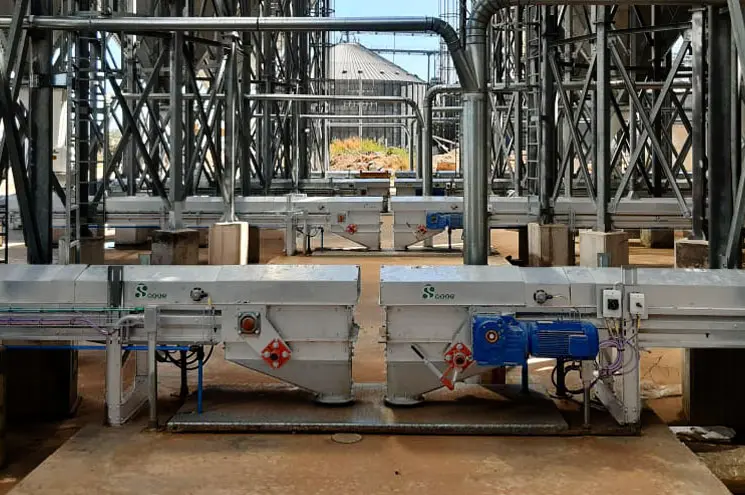
Speed consistency is one of the most overlooked details in conveyor system performance. When Quick-Key® Spool Belt Conveyors lose steady speed, it doesn’t take long for problems to stack up. Misaligned loads, irregular material flow, and lagging equipment are all red flags. Even slight speed variation can cause backups or reduced throughput, costing precious time and causing headaches on the line.
In both ag and industrial settings where these conveyors are used, speed hiccups usually show up when other systems depend on reliable timing. And when you’re dealing with sensitive or lightweight material, a small pause or jolt can throw things off. With late summer weather in Springfield, Ohio bringing temperature swings, equipment might behave differently than it does earlier in the season. Knowing what causes speed variation and how to respond can keep everything running tighter and more reliably.
Identifying Speed Variation Causes in Quick-Key® Spool Belt Conveyors
The first signs of irregular conveyor speed can be subtle. Material might pile up in odd spots or arrive off-time at loading or transfer points. Buildup from misloaded product might trigger sensors and bring things to a halt. The belt could be jerking or lagging, and workers might hear strange sounds from the drive or return ends. Catching these clues early can save a major cleanup or repair later.
There are several common causes of this kind of issue:
– Electrical issues – Loose wires, unstable power supply, or a worn drive motor can result in sudden speed changes. These problems don’t always happen all at once. Sometimes, they creep in slowly then hit harder after heavy loads or longer use.
– Belt slippage – If the belt tension is low or over time the belt has stretched out, it may slide across the pulleys under load. This can cause the conveyor to slow without warning.
– Component wear – Drive pulleys, gearboxes, and bearings wear down. When they do, they don’t grip or carry as well, adding inconsistency.
– Temperature and humidity – Late August in Springfield can bring cool mornings and hot, sticky afternoons. Those swings affect motor output, belt grip, and metal parts. Higher humidity can also lead to stickier material or condensation, making slippage more likely.
A real-world example comes from a small feed processing site on the edge of town. During an unusually humid afternoon, their overhead conveyor started to slow irregularly. Material started backing up, and some of the lighter feed didn’t drop off cleanly. After inspection, they found the belt was just beginning to slip due to condensation on the drive pulley. It took only a small adjustment to the tension and a wipe-down of the surface to restore proper motion.
Quick Fixes to Address Speed Variations
While it’s always best to prevent issues with regular upkeep, sometimes conditions change too fast to catch. When that happens, a few short-term adjustments can get things moving smoothly again. If you start to notice problems with pacing or flow, try checking the following:
1. Inspect Belt Tension
If the belt is slipping, tighten it slightly to improve grip. Be careful not to over-tighten though, as that can put too much strain on the bearings and drive components.
2. Check Electrical Connections
Even a small loose wire can cut off power or cause the motor to hesitate. Secure any connections and look out for worn insulation or signs of overheating near the drive motor.
3. Clean the Drive Area
Dust, moisture, or fine materials layered on drive pulleys or under the belt can cut friction and cause irregular speed. Wipe down pulleys and clear out any residue.
4. Confirm Belt Tracking
A crooked belt creates uneven drag. Make sure the belt stays centered and that tension is equal across both sides.
These steps can often fix the issue or reveal where the real problem lies. If conditions improve after making these checks, schedule a deeper inspection soon after to rule out deeper wear or system changes. If the problem continues, there may be more serious mechanical or motor-related issues driving the inconsistency.
Preventive Maintenance Practices to Avoid Speed Problems
Quick fixes can help in the moment, but a consistent maintenance routine is what keeps conveyors running smoothly in the long run. Catching early signs of speed variation through inspection is one of the easiest ways to stop your system from falling out of rhythm. For operations in Springfield, Ohio, late summer conditions like heat, humidity, and dust buildup make regular upkeep even more important.
Here’s a solid preventive checklist to cut down on surprises:
– Walk the belt regularly. Look and listen for any misalignment, odd noises, or signs of slippage.
– Set a monthly schedule for checking tension and tracking, especially during heavy harvest or production periods.
– Keep the drive area clean. Moisture or dust on pulleys can go unnoticed until slippage starts to occur.
– Mark tension adjustments in a system log so your team can recognize trends or recurring issues.
– Lubricate bearings and other moving parts to help manage friction and lessen wear.
– Make sure all control boxes are sealed and dry to protect wiring connections as temperatures shift throughout the day.
– Remind operators what early signs to watch for, like material backups or belt drift, and who to report it to.
Small routines like these can help stretch equipment life while reducing costly stops during peak hours. One Springfield plant created a team checklist that rotates responsibility between shifts, giving each crew ownership and keeping fresh eyes on the equipment without burdening one group. That single adjustment helped them catch minor issues twice as fast, especially during high-stress weeks in mid-to-late August.
When To Bring In A Professional
Sometimes deeper issues are hiding behind what looks like simple belt slippage or lagging. If speed problems keep coming back after basic fixes, or if things get worse instead of better after an adjustment, it may be time to bring in outside help.
Professional techs come equipped to do deeper diagnostics. That includes checking motor controls, measuring actual belt speed, testing power draw under load, and tracking wear rates on pulleys and bearings. These kinds of checks are hard to do with just eyes and ears and often reveal problems before they cause major breakdowns.
It’s also a good idea to schedule professional inspections during predictable stress periods. In Springfield, late summer heat combined with extended equipment use means systems run longer under tougher conditions. That’s when parts stretch, friction increases, and moisture sets in. Having a trained specialist review the setup before or during this stretch can keep minor belt or drive issues from turning into full system shutdowns.
In most cases, calling help before things grind to a halt saves money and avoids downtime. Even if your team is experienced, an outside perspective can catch something that’s become easy to miss from seeing the same equipment every day.
Small Fixes Add Up to Long-Term Consistency
Speed variation in Quick-Key® Spool Belt Conveyors rarely shows up all at once. Usually, it’s the result of gradual changes—a belt that’s stretched a little too far, a pulley that’s picked up a slick coat of dust, or wires that have loosened after a humid week. Left unchecked, those little shifts can ripple out, slowing production or damaging gear that was working fine just days before.
Investing time into routine checks, staying alert to the early signs, and tackling maintenance before the system is under heavy strain makes a big difference. When those patterns are backed by solid records and evenly shared responsibility among your team, issues become easier to track and less likely to build up over time.
For the issues that fall outside your team’s scope, don’t wait too long to bring someone in. A fresh pair of eyes and a detailed review can save not just belt life, but scheduling headaches and lost output when it matters most. That kind of care is what keeps operations in Springfield moving steady while summer heat runs high and the demands on your system head into full swing.
Keeping conveyor systems in peak condition is key to reducing downtime and boosting productivity. As conditions shift, like the late summer weather in Springfield, regular checks and professional help can save valuable time and resources. If you’re looking for reliable support with belt systems, explore what a trusted conveyor belt manufacturer can offer. Sweet Manufacturing Company is here to help your operation maintain its pace and avoid unnecessary slowdowns.