
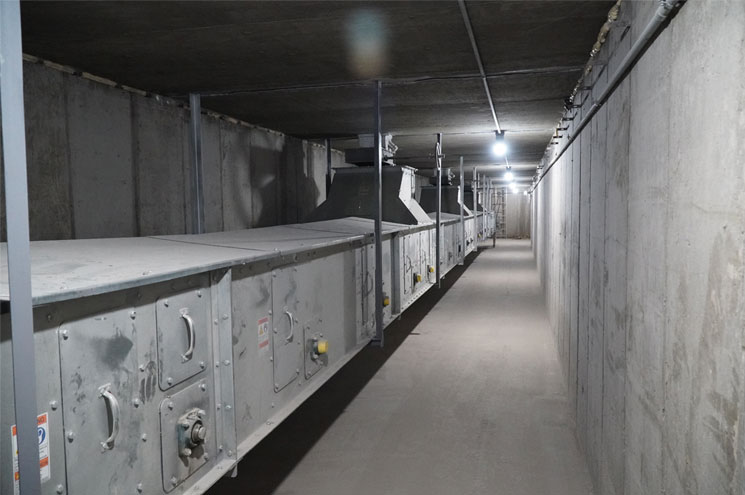
Winter in Springfield, Ohio, can be unpredictable. One week it’s freezing, the next it’s piled high with snow. For those of us working in grain systems or agricultural processing, that swing in weather creates big challenges. A belt conveyor for bulk material is one piece of equipment that tends to struggle when Midwest winters settle in. These systems are made to keep things moving, moving grain, fertilizer, or whatever else needs to go from one part of the facility to another.
But when temperatures dip below freezing and ice starts forming, conveyor belts do not always behave the way they should. They can slow down, wear out faster, or stop altogether. Let’s look at some of the biggest cold-weather troublemakers and how to stay ahead of them before problems turn serious.
Why Cold Weather Causes Conveyor Slowdowns
Cold days bring more than just a coat and gloves, they can bring stalled-out belts too. Moving parts simply do not move the same way when cold sets in.
- Belt materials can get stiff. When a belt is cold and rigid, it does not bend around pulleys or slide across rollers very well. That stiffness means the motor has to work harder, and the whole system can get sluggish.
- Ice and snow do not just sit on top, they sneak into cracks and around moving parts. As ice builds up, it adds weight and creates drag in spots that should be smooth and moving.
- Lubricants are another quiet problem. What works fine in October might not work at all in January. Cold temperatures can thicken oils used in pulleys and bearings, and suddenly, nothing turns like it should.
These changes might sound small on their own, but they stack up fast and can slow an entire operation.
Common Belt Damage From Midwest Winters
Once temps drop and moisture rolls in, your equipment can start showing wear in new, frustrating ways. Even a belt that ran fine last fall might start showing cracks or strange behavior by late January.
- Moisture does not just sit, it freezes. When that happens inside a belt system, damage can build up quickly. Frozen spots on the belt’s surface can lead to cracking or surface wear.
- As the belt expands and contracts with changes in the weather, it can pull itself out of alignment. That misalignment makes it rub or wear unevenly, sometimes enough to tear sections or break down edges.
- Add frozen buildup into the mix, and entire systems can get overloaded. Leaving a conveyor running with blockages leads to rattling belts, seized rollers, or motors under too much stress. That kind of wear does not fix itself.
Winter issues only grow if they are ignored. Once a belt starts breaking down, your next stop might be a full shutdown.
Support Structures Matter More Than You Think
Everyone notices broken belts, but not everyone checks the structures underneath them. When winter hits, that support matters more than ever.
- A belt conveyor for bulk material relies on stable support, especially when machines are pushing against the cold. If your supports are aging, rusted, or shifting, they can throw off the whole system.
- We have seen support towers in Springfield, Ohio, that looked just fine in the fall, but once freezing rain hit, parts shifted or locked up. That kind of movement can put stress on joints, mounts, and the belt’s own shape.
- Upgrading to systems like Silver Span and using grating like Silver Grip can help during these colder months. Sturdy grating fights ice buildup and gives workers safer footing during checks and repairs. Strong supports reduce stress, keep paths level, and stop little problems from growing bigger.
Supports might sit quietly in the background, but they carry the weight, literally.
Why Choosing The Right Conveyor Style Helps
We cannot tell the weather what to do, but we can plan around it. That starts with picking the right kind of conveyor for places like the Midwest.
- Enclosed Belt Conveyors help block out the worst of winter. When belts are sealed in and protected from snow, sleet, and wind, they hold up longer and stay cleaner. Our Enclosed Belt Conveyors are engineered for industrial and agricultural applications, with galvanized steel construction and weather-tight covers that keep materials protected even in harsh conditions.
- For systems that need fixing fast, Quick-Key Spool Belt Conveyors can save time. Instead of dealing with frozen bolts or rusted joints, this design lets us access key areas quickly without tear-down trouble.
- Formed Channel Belt Conveyors have extra structure, which helps when belts get heavy or tight from winter stiffening. That stronger frame gives the system better balance overall. These conveyor systems are designed for heavy-duty years of service and help reduce the frequency of required maintenance.
The right setup matters, not just in summer when things run easy, but especially in January when nothing wants to move.
Problem Prevention Starts Before Winter Hits
Most of the big winter problems can be spotted ahead of time. We do not just check when something breaks, we look before the snow shows up.
- A routine pre-winter check includes pulleys, belt tension, and motors. Small issues in those parts turn into major ones once cold weather hits.
- Cleanliness matters. Leftover material sitting on belts or supports can freeze into hard blocks. Keeping things clean before the first freeze helps prevent all kinds of jams.
- Planning tools can give an added layer of control. We often use options like the CalorMatic Test Library or Cost Calculator when setting up winter runs. That helps decide what settings, speeds, or setups make the most sense when cold is in the forecast.
A little time spent in early December can save a week of frustration in mid-January.
The Value of Reliable Conveyor Systems
We are dedicated to providing material handling solutions that are durable and reliable even in the face of winter’s toughest challenges. With components made to withstand harsh environments and options for customized solutions, customers across the Midwest can count on consistent performance all season long. Using quality equipment designed for tough weather gives you peace of mind that operations run as planned, no matter what the thermometer reads.
When equipment works, everything else runs smoother. That matters in the middle of winter, and all year long. For material handling equipment built with cold Midwestern seasons in mind, we are here to help plan what’s next.
Winter can be a challenging time for businesses relying on efficient material handling, but with the right equipment, you can ensure smooth operations regardless of the weather. Sweet Manufacturing Company offers a variety of solutions to keep your systems running efficiently during the colder months. Consider upgrading to an Enclosed Belt Conveyor to keep your equipment protected from snow and ice. Reach out to us today to explore how we can support your business all year round.